
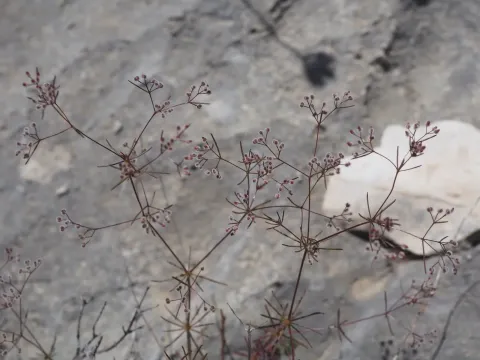
Bristly bedstraw
Galium setaceum
Bristly bedstraw (Galium setaceum) is a member of the Rubiaceae family. It is an annual herbaceous plant typically recognized in agronomy as a weed rather than a purposeful crop.
What the section contains
Bristly bedstraw
The plant thrives in dry, rocky, and well-drained soils. Its biological profile suggests a high level of tolerance to arid environments and seasonal droughts, which makes it a persistent plant in uncultivated areas.
Optimal growth occurs under direct sunlight conditions. As a heliophilous species, it struggles in shaded environments, which influences its distribution patterns within agricultural landscapes and field borders.
Botanically, Galium setaceum is characterized by thin, branching stems and narrow leaves arranged in whorls. These structures are adapted to maximize gas exchange while protecting the plant from excessive water loss in dry habitats.
In terms of agricultural significance, managing this plant is essential for maintaining crop quality. Proper soil management and pre-emergent control strategies are recommended to minimize its competitive impact on primary crops.
The primary environmental threat to bristly bedstraw is competitive exclusion by denser crop canopies, which restrict the sunlight required for its metabolic processes.
Fungal pathogens such as rusts and mildews can affect the plant during periods of high humidity, leading to reduced vigour and potential population decline in favorable conditions.
Insects like aphids and certain species of weevils are known to feed on the vegetative parts of the plant, potentially causing stunting or damage to the floral structures.
From a pest management perspective, chemical interventions using broad-spectrum herbicides remain the standard practice for controlling this plant in infested agricultural fields.
Prevention involves the rigorous cleaning of agricultural machinery and seed stocks to ensure that the persistent seeds of this weed are not introduced into new, clean growing zones.