
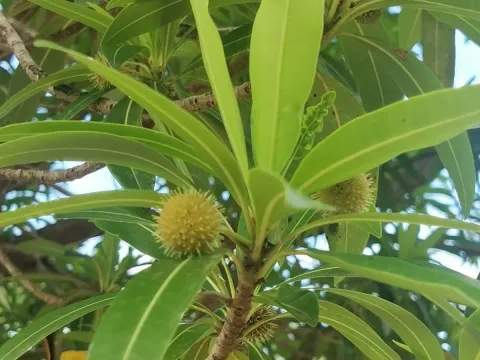
Breonadia
Breonadia
Breonadia (Breonadia salicina) is an evergreen tree species belonging to the Rubiaceae family. Naturally found in the tropical regions of Africa, it typically inhabits riparian zones, reflecting its high dependency on constant water availability.
What the section contains

Breonadia
The successful cultivation of this species requires deep, fertile, and well-drained soils. Alluvial deposits are considered the most favorable for the robust growth and development of the root system.
Climatic conditions play a crucial role, as the tree thrives in tropical environments without freezing temperatures. Adequate precipitation and high humidity levels are essential throughout the year for healthy physiological performance.
Agricultural practices involve consistent soil moisture management, especially during the initial stages of establishment. Being a light-demanding species, proper site selection must ensure full sun exposure to prevent growth retardation.
Economically, the tree is highly valued for its dense and durable timber, which is extensively utilized in fine woodworking, furniture making, and professional carpentry projects.
Major phytosanitary threats to Breonadia include fungal pathogens that exploit waterlogged soil conditions, leading to root rot and systemic health decline.
Various insect pests, such as leaf-eating beetles and larvae, pose a risk to younger trees, potentially causing severe damage to foliage and reducing overall tree vigor.
Wood-boring insects represent a significant hazard to timber quality, as their galleries penetrate the trunk, rendering the harvested material unsuitable for high-grade commercial purposes.
Environmental stress caused by river pollution or hydrological changes can weaken the resistance of riparian populations, making them more susceptible to secondary infections.
Effective management strategies require periodic health inspections of the stands and the application of integrated pest management practices to maintain high-quality growth.