
Calycophyllum spruceanum
Calycophyllum spruceanum
Calycophyllum spruceanum, commonly referred to as pau mulata, is a member of the Rubiaceae family. This tree species is native to the Amazon and Orinoco river basins, thriving in the dense, moist environments typical of the South American tropical rainforests.
What the section contains
Calycophyllum spruceanum
The plant requires deep, fertile, and well-drained alluvial soils for optimal growth. It is highly adapted to areas that experience periodic flooding, making it a robust species for reforestation efforts in riverside ecosystems where other trees might suffer from root saturation.
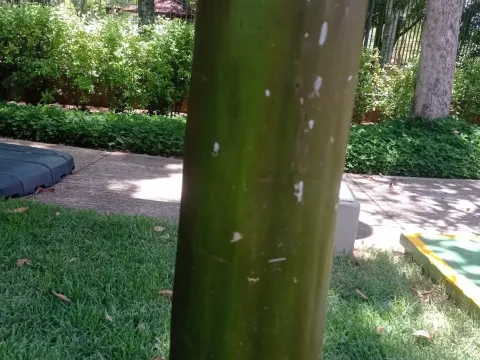
Botanically, it is characterized by its distinct, smooth, reddish-brown bark that sheds regularly. This adaptation prevents the accumulation of mosses and epiphytes on the trunk, allowing the tree to maintain its health in high-humidity conditions where other plants might be easily overgrown.
Agricultural requirements include high ambient temperatures ranging from 22 to 30 degrees Celsius and abundant rainfall. It is an obligate light-demanding species, meaning that in cultivation, it must be placed in full sun to ensure the characteristic rapid growth rates for which the species is known.
Economically, the tree is highly valued for its hardwood, which is exceptionally strong and utilized in fine cabinetry and construction. Beyond timber, the bark is processed for its medicinal properties, often used in traditional treatments for its antiseptic and restorative qualities.
Common pests include wood-boring beetles that can affect the structural integrity of the timber if not managed correctly. Integrated pest management, focusing on early detection and maintaining tree vigor, is essential to protect the harvestable wood quality.
Pathogenic fungi can pose a risk in environments where stagnant water promotes root rot or stem decay. Proper site selection and drainage design are the most effective strategies to mitigate these biological threats and ensure the longevity of the plantation.