
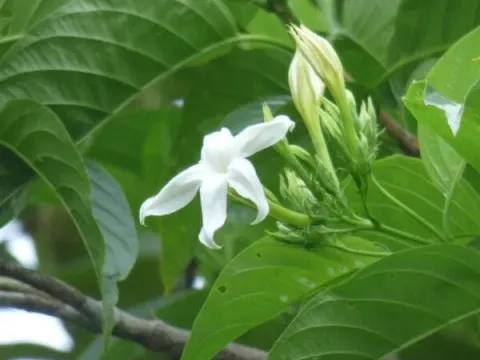
Bremeria
Bremeria
Sowing Bremeria seeds requires precise control over humidity and temperature to ensure successful germination of this delicate tropical crop.
What the section contains
Bremeria
The ideal planting period occurs during early spring when ambient light intensity increases, promoting healthy development of the root system.
Fine-textured substrates with excellent aeration are necessary to prevent seed rot during the critical phase of seedling emergence.
Commercial producers often utilize climate-controlled chambers to maintain constant moisture levels around the developing plant tissues.
Once seedlings achieve sufficient robustness, they are transferred to individual pots to reduce competition and facilitate targeted nutrient application.
Bremeria belongs to the Rubiaceae family and thrives in conditions mimicking its natural habitats in the humid forests of Madagascar.
The species requires a consistent temperature range between 22 and 28 degrees Celsius, as sudden cold exposure can be fatal to the plants.
Well-draining, slightly acidic soil is the preferred medium to provide essential nutrients while preventing the accumulation of excess stagnant water.
Light levels should be kept in a moderate, diffused state, as direct intense sunlight can cause immediate dehydration and chlorophyll degradation.
High relative humidity, consistently maintained throughout the growth cycle, is essential for keeping the foliage turgid and preventing physiological stress.
The most common agricultural threats involve fungal infections that thrive when ventilation is insufficient in indoor cultivation facilities.
Insect pests such as spider mites and mealybugs frequently colonize the dense foliage, necessitating regular inspections to prevent outbreaks.
Root rot remains the primary pathological concern, usually caused by improper watering techniques or excessive saturation of the potting mix.
Integrated pest management strategies are recommended, focusing on early identification of stressors to minimize the need for chemical intervention.
Regular sanitation of tools and cultivation areas is vital to prevent the spread of soil-borne pathogens that commonly affect Rubiaceae species.