
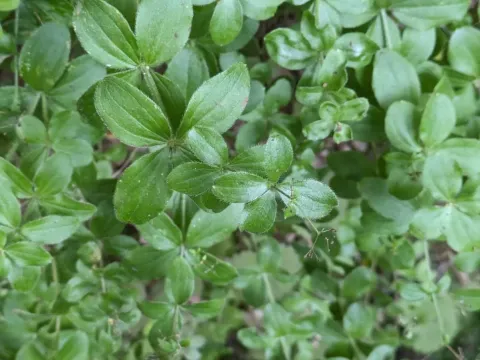
Rough bedstraw
Galium scabrum
Rough bedstraw (Galium scabrum) is a perennial herbaceous plant belonging to the Rubiaceae family. This species is recognized by its characteristic stems covered in minute, rough prickles, which provide structural support in its native environment.
What the section contains
Rough bedstraw
The plant is primarily native to regions with Mediterranean climatic conditions. It thrives in well-lit environments and requires ample exposure to sunlight to develop its full vegetative potential, making site selection a critical factor for successful cultivation.
Regarding soil conditions, Galium scabrum prefers well-drained, lime-rich substrates. It is essential to avoid sites with poor drainage, as the plant is sensitive to root rot when exposed to excessive moisture in the soil profile for extended periods.
Agronomic practices for this culture include maintaining optimal spacing to ensure proper airflow around the plants. Regular monitoring of nutrient levels is necessary, as the species responds well to moderate fertilization with organic compost during the active growing season.
From a хозяйственное perspective, the crop is utilized primarily for its phytochemical properties. Its role in sustainable agricultural landscapes is growing, as producers seek to diversify harvests with specialized herbal varieties that require minimal chemical intervention.
The main pathological threats to Galium scabrum include powdery mildew and other fungal pathogens that emerge under humid, stagnant air conditions. Preventive measures include ensuring good drainage and avoiding overhead irrigation during late stages of growth.
Pest pressures are often associated with aphids and various mites that target tender shoots. Implementing Integrated Pest Management (IPM) strategies, including the use of natural predators, is highly recommended to protect the crop without relying solely on synthetic chemicals.