
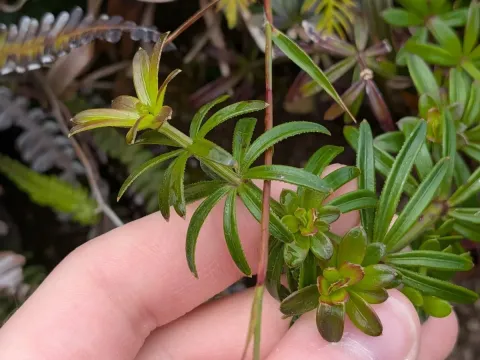
Rubia agostinhoi
Rubia agostinhoi
Rubia agostinhoi is a distinctive species within the Rubiaceae family, primarily native to the Iberian Peninsula, where it thrives in specific rocky habitats.
What the section contains
Rubia agostinhoi
Botanically, the plant is characterized by its whorled leaves and an extensive rhizome system that allows it to propagate efficiently in calcareous soils.
Successful cultivation requires a substrate that mimics its natural environment, specifically ensuring high calcium content and excellent drainage to avoid water stagnation.
The climate requirements involve mild temperatures and high levels of sunlight, which are crucial for the photosynthesis process and the development of internal chemical compounds.
Agronomic management involves strict water control, as the species is sensitive to irrigation imbalances that can lead to root rot or reduced vigor during vegetative growth.
The economic value of this plant is rooted in its historical role as a source of natural pigments, which are primarily sequestered in the subterranean structures.
Harvesting is conducted during the dormancy period to ensure that the concentration of anthraquinones and other metabolites is at its peak for industrial processing.
The collection process requires careful manual labor to ensure that the delicate roots are extracted intact without excessive damage to the rhizome network.
Post-harvest treatment involves thorough washing and systematic drying to stabilize the biological material and prevent spoilage by microbial pathogens.
For storage, the dried roots must be kept in cool, dark environments to prevent the degradation of light-sensitive pigments and maintain high commercial quality.