
Rubia jesoensis
Rubia jesoensis
Rubia jesoensis is a perennial herbaceous plant belonging to the Rubiaceae family. Native to the temperate regions of East Asia, including Japan and the Russian Far East, it is typically found in moist, deciduous forest habitats and river valleys where the soil is rich in organic matter.
What the section contains
Rubia jesoensis
The plant thrives in well-drained, fertile soil with a slightly acidic to neutral pH level. It is highly sensitive to soil compaction, requiring a loose texture to facilitate the development of its horizontal rhizome system, which is the primary part harvested for medicinal purposes.
Agronomic success for this crop depends heavily on managing microclimate conditions. As an understory plant, it performs best in partial shade. Excessive exposure to direct sunlight can stress the plant, leading to poor biomass accumulation and a reduction in the concentration of active chemical compounds.
From a usage perspective, the roots of Rubia jesoensis are prized for their secondary metabolites, specifically anthraquinones. These compounds are utilized in the pharmaceutical industry for their pharmacological properties, supporting renal health and acting as effective natural therapeutic agents.
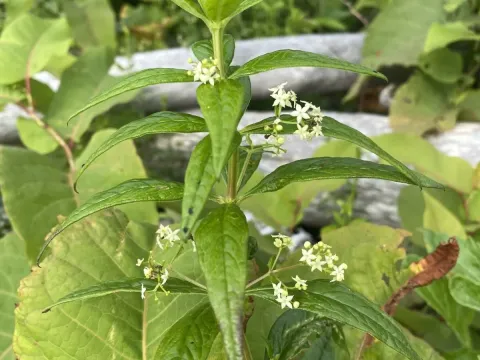
Botanically, the species is identified by its quadrangular stems equipped with small, backward-pointing prickles, which enable it to climb surrounding vegetation. The leaves are typically arranged in whorls, and the root system is extensive, composed of deep-running, fleshy rhizomes.
The primary threats to Rubia jesoensis crops are root rot pathogens, often exacerbated by overwatering or poor field drainage. Additionally, leaf-spotting fungi can affect the foliage during periods of high humidity. Maintaining proper spacing and weed control is essential for ensuring plant health.