
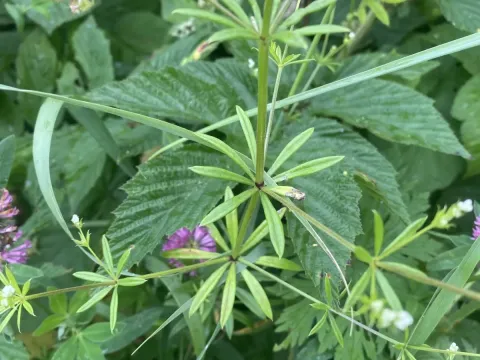
River bedstraw
Galium rivale
River bedstraw (Galium rivale) is a perennial herbaceous plant belonging to the Rubiaceae family. It is typically found in riparian zones, wet meadows, and floodplain forests, where it thrives in moisture-rich environments.
What the section contains
River bedstraw
The plant is categorized as a hygrophyte, meaning it is biologically adapted to soils with high water tables. It prefers fertile, loamy soils that are rich in organic matter and provide a stable nutrient base throughout the growing season.
Botanically, Galium rivale is characterized by its square-shaped stems and leaves arranged in whorls. Its white inflorescences appear in early summer, facilitating pollination in habitats frequently associated with riversides.
To cultivate or manage this species, maintaining consistent soil moisture is crucial. While it prefers semi-shaded areas, it can tolerate full sun provided that the root zone remains sufficiently hydrated to prevent desiccation.
The ecological significance of River bedstraw lies in its ability to stabilize soil along riverbanks. Its dense root system and creeping habit help prevent erosion, making it a valuable component in riparian restoration projects.
Rust fungi represent a major biological threat to River bedstraw, often appearing in damp conditions during late summer. These pathogens can cause significant foliage damage if left unmanaged.
Insect pests, specifically various species of beetles and aphids, may target the vegetative shoots, leading to stunted growth and reduced vigor during peak reproductive stages.
Powdery mildew can infect the leaves, especially in areas where airflow is restricted, leading to white mycelial growth and premature senescence of the plant tissues.
Herbivory by larger mammals can occasionally affect wild populations, though the plant's texture often limits its appeal to certain types of grazers unless young growth is abundant.
Effective management against these threats involves monitoring foliage health and ensuring that plant densities allow for adequate air circulation, which reduces the incidence of fungal outbreaks.