
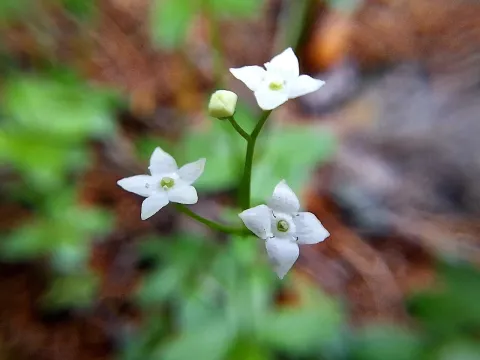
Round-leaved bedstraw
Galium rotundifolium
Round-leaved bedstraw (Galium rotundifolium) is a perennial herbaceous plant belonging to the Rubiaceae family. While it is rarely cultivated as a commercial crop, it remains an important component of forest floor vegetation and wild forage ecosystems.
What the section contains
Round-leaved bedstraw
The plant is typically found in shady, moist woodland environments. It requires moderate temperatures and avoids direct, intense sunlight, which makes it unsuitable for large-scale field production in open agricultural landscapes.
Soil requirements for optimal growth include well-drained, nutrient-rich loams or forest soils. It thrives in slightly acidic to neutral soil environments that maintain a consistent moisture level without becoming waterlogged.
Botanically, it is characterized by its distinct rounded leaves arranged in whorls of four. Its delicate stem structure and creeping growth habit define it as a ground-cover species rather than a tall, harvestable industrial plant.
In terms of agricultural utility, it serves primarily as part of the ecological biodiversity in natural grazing lands. While it lacks commercial cultivation protocols, it is studied for its chemical composition and potential use in traditional medicinal practices.
The plant is susceptible to common fungal pathogens such as powdery mildew, especially in environments with stagnant air or excessive humidity levels during the peak growing season.
Root rot remains the most significant threat to plant health, usually triggered by poor soil drainage or excessive irrigation practices that cause the roots to remain saturated.
Insects, particularly aphids and certain species of leaf beetles, can cause significant damage to the foliage, reducing the plant's overall photosynthetic capacity.
Nematodes are another potential threat, often found in soils that have been disturbed or managed poorly, leading to stunted growth and nutrient deficiencies within the population.
Effective management of these threats focuses on maintaining a balanced ecosystem, ensuring adequate soil aeration, and preventing the over-accumulation of leaf litter that may harbor spores.