
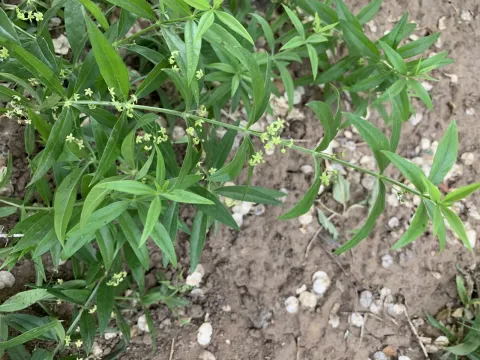
Rubia tatarica
Rubia tatarica
Rubia tatarica, a member of the Rubiaceae family, is a perennial herbaceous plant requiring specific conditions for successful establishment. Seeds are typically sown in late autumn or early spring when soil temperatures stabilize between 6–8 degrees Celsius.
What the section contains
Rubia tatarica
Planting depth should be approximately 2–3 centimeters in well-prepared, moisture-retentive soil. Autumn sowing is often preferred as it allows for natural stratification, leading to more uniform germination compared to spring planting.
Optimal spacing involves row cropping with intervals of 60–70 centimeters, which accommodates long-term root growth and enables mechanical weeding. This spacing is essential to minimize plant competition for nutrients and water.
Seedlings develop slowly during the initial weeks, making weed control a priority during the first season. Establishing a clear, weed-free environment is critical for ensuring the young plants have sufficient space to develop their root systems.
Once the first pair of true leaves is formed, the growth rate of the root system increases significantly. This developmental stage is critical for the long-term success of the crop, as the roots are the primary economically valuable part of the plant.
This crop thrives in temperate climates and requires sunny, open fields with fertile, well-drained soil. While Rubia tatarica exhibits good drought tolerance, regular irrigation during the growing season significantly enhances biomass production.
The ideal soil profile consists of chernozem or loamy soils with a neutral to slightly alkaline pH. Waterlogged conditions must be strictly avoided, as excess moisture significantly increases the risk of root rot and plant mortality.
Given the deep-reaching taproot system of this species, thorough soil tillage prior to planting is essential. Deep plowing ensures that the soil structure allows for vertical root penetration, preventing deformities and stunted growth.
Winter survival is typically high provided the plants have adequate snow cover or organic mulch. Potassium-rich fertilizers are recommended to enhance cold hardiness and stimulate the accumulation of biochemical compounds within the roots.
Light exposure is a decisive factor during the tillering phase. Excessive shading will lead to elongated, weak stems and a reduction in the overall quality and chemical concentration of the root harvest.
The yield of Rubia tatarica is heavily dependent on the age of the plantation and the quality of management. The roots generally reach commercial maturity and optimal weight by the third or fourth year of cultivation.
Average yields of dry roots typically range between 1.5 to 3 tons per hectare under intensive management practices. Success depends on maintaining optimal plant density and ensuring soil fertility throughout the multi-year cycle.
Regular cultivation of row spaces during the first two years is vital for promoting lateral root branching, which contributes to higher root mass. Extending the harvest cycle beyond five years is generally discouraged as root quality may decline due to lignification.
To assess yield potential, field sampling involves checking root mass and chemical composition. A high root-to-shoot ratio is the primary indicator of a successful cropping strategy and optimal site conditions.
Post-harvest, the field requires deep tillage and a planned rotation period to break the cycle of site-specific soil pathogens and replenish the soil's organic matter content.
Root rot is the most significant threat to Rubia tatarica, often triggered by poor drainage or excessive soil moisture. These fungal pathogens can decimate large areas of a plantation if not managed promptly.
Pests such as wireworms and cutworm larvae can cause substantial damage to the roots, leading to reduced vigor or plant death. Preventive soil treatments and proper site selection remain the primary defenses against these pests.
Powdery mildew can infect leaves in high-density plantings, impairing photosynthetic capacity. Implementing proper spacing and ventilation techniques is the best prophylactic measure against such fungal outbreaks.
Nematodes are another potential threat, often causing gall formation on the root system. Using high-quality, certified seeds and strictly adhering to crop rotation schedules are essential to minimize this risk.
Consistent phytosanitary monitoring throughout the vegetative period allows for early detection and intervention. Spot treatment or localized quarantine can help prevent the spread of diseases across the entire plantation.
Harvesting Rubia tatarica is best performed in late autumn after the active growth phase has ceased and root biochemical concentrations have peaked. Specialized machinery, such as root harvesters or customized plows, is used for extraction.
Roots are carefully cleared of soil and debris, with all vegetative tops removed immediately. High-quality primary processing, including gentle washing, is critical to maintaining the commercial value of the final product.
Drying must be conducted in well-ventilated facilities at controlled temperatures not exceeding 60 degrees Celsius. This ensures the preservation of bioactive compounds and prevents spoilage or mold development.
Once dried, the roots are sorted by size and processed for packaging. Storing the product in airtight, moisture-proof containers is essential to protect the dried roots from humidity and environmental degradation during shipping.
All harvesting operations should be completed before the ground freezes, as frozen soil significantly complicates extraction and can result in mechanical damage to the roots, reducing their overall market quality.