
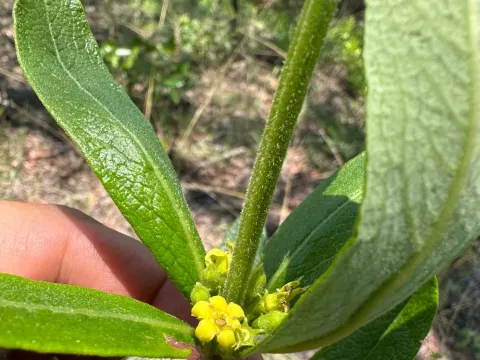
Fadogia
Fadogia
Fadogia is a genus of perennial plants belonging to the Rubiaceae family, native to the tropical regions of Africa. This genus consists of various species that are well-adapted to savanna environments, characterized by distinct wet and dry seasons.
What the section contains


Fadogia
In terms of growth requirements, Fadogia plants favor well-drained, sandy-loam soils that ensure optimal root oxygenation. The species are highly sensitive to waterlogged conditions, which can lead to rapid deterioration of the root structure in humid climates.
Climate preferences for this culture are centered around warm tropical conditions with constant temperatures. Fadogia requires significant sunlight to thrive and generally performs poorly in shaded areas or environments that experience sudden, sharp drops in temperature below its biological tolerance threshold.
Agricultural practices for Fadogia involve careful irrigation management to avoid soil compaction and moisture saturation. Regular pruning of the stems helps in maintaining the plant's architecture and encourages the development of healthy, dense foliage throughout the growing season.
Economically, certain species of Fadogia, such as Fadogia agrestis, are highly sought after for their bioactive compounds. These are being studied for their potential roles in physiological enhancement and support, leading to increased interest in controlled cultivation methods.
The primary threats to Fadogia crops include root rot and fungal infections, which are largely exacerbated by poor drainage. These pathogens can cause extensive damage to the underground parts, often leading to the wilting and eventual death of the entire plant.
Pests such as spider mites, aphids, and mealybugs represent a significant challenge in cultivation. These insects thrive in warm, dry environments and can compromise plant vitality by extracting essential plant nutrients and spreading viral diseases.
Environmental factors like excessive humidity without proper air circulation often trigger leaf spot diseases. Implementing a rigorous air ventilation system or maintaining adequate spacing between individual plants is crucial to reducing the risk of widespread infection.
Integrated pest management strategies are recommended to manage these threats effectively. Using a combination of cultural practices, such as sanitation and debris removal, alongside approved horticultural oils or bio-pesticides, provides the best protection for the crop.
Monitoring the plant for signs of nutrient deficiency or physical stress is vital for early intervention. Proactive agricultural management ensures the crop remains resilient, minimizing the economic loss that would otherwise be caused by these common biological hazards.