
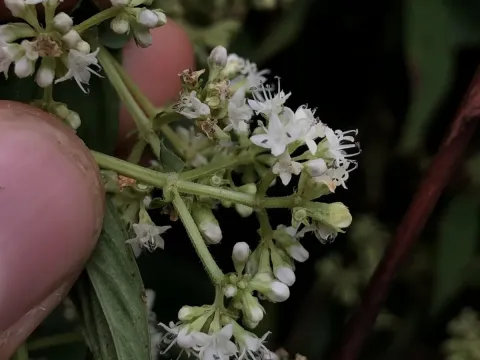
Emmeorhiza
Emmeorhiza
Emmeorhiza is a genus of flowering plants belonging to the Rubiaceae family, known for its specific distribution in the tropical regions of South America.
What the section contains

Emmeorhiza
The plant thrives in equatorial climates characterized by high annual precipitation and consistent temperatures, making it a sensitive species regarding environmental fluctuations.
Optimal growth requires fertile, well-draining soils rich in organic matter, which mimic the natural forest floor conditions found in its native habitat.
From a botanical perspective, Emmeorhiza species often exhibit woody stems and terminal or axillary inflorescences, showcasing the typical complex reproductive structures of the Rubiaceae family.
Agricultural management of this genus focuses on maintaining soil moisture balance and protecting the plants from extreme temperature drops that occur outside the tropical zone.
Like many plants in the Rubiaceae family, Emmeorhiza is susceptible to various fungal pathogens, particularly those triggered by excessive humidity and poor air circulation within the canopy.
Pests such as mites and aphids are primary threats to young foliage, often requiring early detection and intervention to maintain plant health and vigor.
Root rot represents a significant danger, usually caused by poor drainage or overwatering, necessitating strict adherence to irrigation protocols.
Integrated Pest Management (IPM) strategies are highly recommended to control populations of harmful insects without disrupting the local ecosystem or damaging the plant's delicate tissues.
Regular monitoring for early signs of leaf spot or discoloration is essential for preventing the rapid spread of diseases across the plantation or cultivated area.