
Euclinia
Euclinia
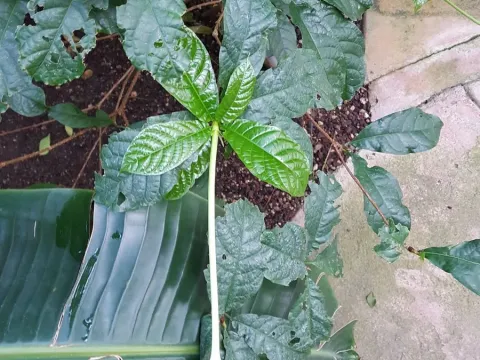
Euclinia is a genus of flowering plants that belongs to the Rubiaceae family. Native to the tropical regions of Africa, these plants are characterized by their woody growth habit, often taking the form of evergreen shrubs or small, graceful trees.
What the section contains

Euclinia
To cultivate Euclinia successfully, one must replicate its native tropical environment. The plant requires consistently warm temperatures throughout the year and is highly intolerant to frost, necessitating greenhouse conditions in non-tropical climates.
The soil requirements are specific: the medium must be fertile, well-draining, and rich in organic matter. A mixture suitable for acid-loving plants is typically recommended to ensure the roots remain healthy and free from rot.
Regarding light, Euclinia thrives in bright, filtered light. Protecting the plant from harsh, direct sunlight is essential, as intense rays can scorch the delicate foliage and reduce the overall aesthetic value of the specimen.
Humidity management is a critical aspect of Euclinia care. The plant performs best in environments with high humidity levels, often requiring regular misting or the use of automated humidification systems in a controlled environment.
Pest infestations are a primary threat in controlled environments, with spider mites being the most common issue due to their ability to thrive in indoor settings with low air circulation.
Scale insects and mealybugs may also infest the stems and undersides of leaves, draining the plant's resources and causing stunted growth if not managed promptly with suitable horticultural oils or systemic pesticides.
Fungal diseases are a frequent risk when soil moisture levels are not properly managed, leading to root rot or leaf spot diseases. Ensuring good drainage and airflow is the best preventative strategy.
Maintaining a clean growing area by removing fallen leaves and debris helps to minimize the buildup of fungal spores and keeps the plant population healthy.
Regular monitoring of the leaf surfaces and stems allows for the early detection of threats, enabling quick intervention before a minor infestation becomes a significant problem.