
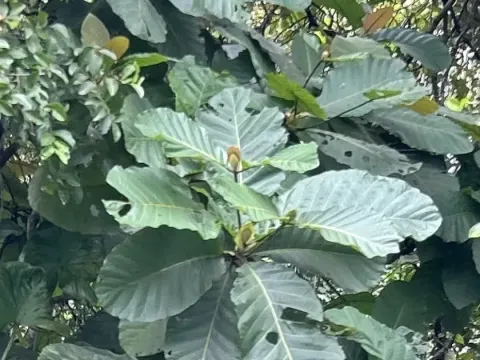
Fleroya
Fleroya
Fleroya is a genus of trees belonging to the Rubiaceae family, known for its distinctive botanical characteristics and significant ecological role in tropical forest ecosystems. These trees are valued for their wood and are increasingly being studied for their potential in controlled cultivation.
What the section contains

Fleroya
The climate requirements for Fleroya are strictly tropical. The plants thrive in environments with stable temperatures ranging between 22 and 28 degrees Celsius throughout the year. They are highly intolerant to frost and cold winds, which can permanently damage the plant's vascular system.
Moisture management is crucial for the successful growth of Fleroya. These plants require consistent rainfall or a steady irrigation regime, as they do not possess deep-seated drought tolerance mechanisms that allow them to endure prolonged dry seasons without significant biomass loss.
Regarding soil preferences, Fleroya requires well-drained, deep, and nutrient-rich substrates. Loamy soils that allow for good aeration while retaining adequate moisture levels are considered ideal for promoting deep root development and fast trunk growth.
Agrotechnical practices involve careful site selection and the use of balanced fertilizers during the establishment phase. Ensuring young trees receive adequate light while protecting them from extreme direct midday heat is key to achieving optimal development rates in the first years.
The primary threats to Fleroya in an agricultural setting include various fungal pathogens that thrive in the high-humidity environments typical of their natural habitat. Root rot, caused by waterlogging or soil-borne fungi, is a frequent cause of mortality in poorly managed plots.
Insect pests pose a persistent challenge, particularly wood-boring beetles and defoliators. These pests can significantly weaken the trees, reducing their commercial value and overall resilience against secondary environmental stresses.
- Fungal leaf spot diseases.
- Infestations by wood-boring insect species.
- Root infections from water-loving fungi.
Management of these threats relies heavily on silvicultural practices, such as maintaining appropriate tree spacing to maximize air circulation. This reduces the time that leaf surfaces remain damp, thereby inhibiting the germination of fungal spores.
Integrated pest management (IPM) strategies, including the use of pheromone traps for monitoring and the introduction of biological control agents, are recommended for maintaining the health and productivity of Fleroya plantations over long-term cycles.