
Fadogia tetraquetra
Fadogia tetraquetra
Description
Growing requirements
Fadogia tetraquetra is a botanical species belonging to the Rubiaceae family. This shrub is native to the savannah and woodland regions of Sub-Saharan Africa, where it thrives in diverse tropical climates across countries such as Nigeria and Sudan.
The plant demonstrates a strong preference for well-draining, sandy or loamy soils that prevent root rot during occasional heavy rains. It requires significant solar exposure to reach its biological maturity and to synthesize the secondary metabolites for which it is becoming increasingly studied.
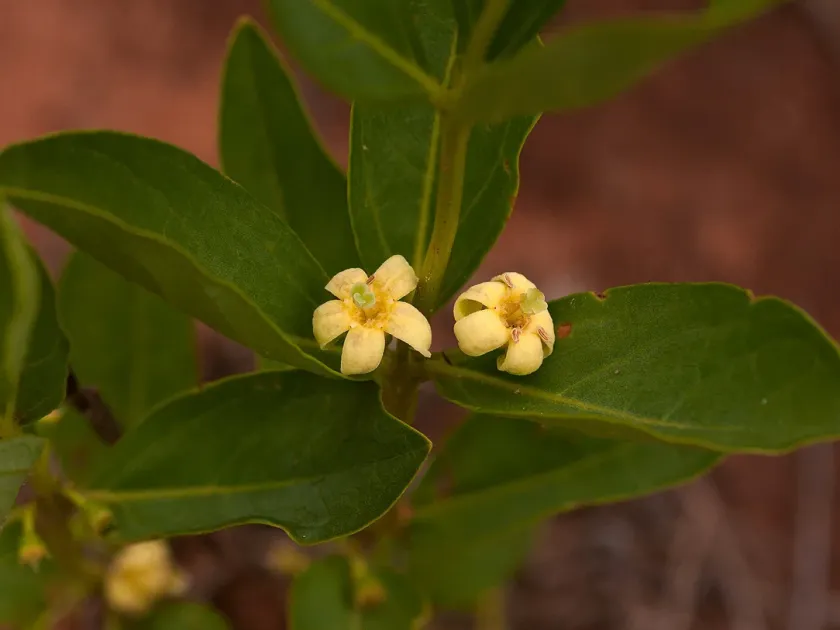
Morphologically, the plant is recognized by its distinct four-angled stems, which serve as its primary identifying feature. Its growth pattern is that of a sub-shrub, often featuring simple, opposite leaves and a robust root system capable of sustaining the plant through prolonged dry seasons.
Regarding its cultivation, while mostly harvested from wild populations, local agricultural interest focuses on sustainable harvesting techniques. For controlled growth, it is essential to maintain warm temperatures, as the species is highly sensitive to frost and extreme cold conditions.
The primary economic use of Fadogia tetraquetra is within the herbal supplement market. Its stem and root extracts are traditionally employed for their potential ergogenic properties. Further research is ongoing to establish standardized cultivation protocols to ensure consistent potency and safety for the industry.