
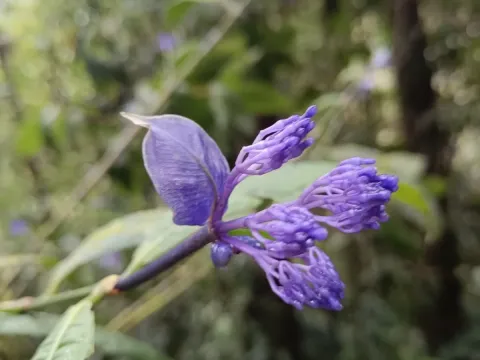
Faramea
Faramea
Faramea is a significant genus of evergreen shrubs and small trees belonging to the Rubiaceae family. Native primarily to the tropical regions of Central and South America, these plants thrive in the warm, humid conditions typical of tropical forest understories.
What the section contains
Faramea
Botanically, Faramea is recognized by its opposite leaves, which often feature distinct stipules, and its inflorescences consisting of fragrant, white to bluish flowers. Some species are noted for their high content of secondary metabolites, which is of scientific interest.
Climate requirements for Faramea are strict: they require tropical conditions with temperatures consistently between 22°C and 28°C. They are not cold-hardy and must be kept in controlled environments such as greenhouses or conservatories in temperate zones.
Soil management is crucial for the health of Faramea; the substrate must be highly porous and rich in organic matter to prevent root suffocation. Good drainage is essential, as the roots are highly susceptible to rot if water accumulates in the pot.
Successful cultivation requires bright, indirect light to replicate the canopy conditions of their native habitat. Direct sunlight is generally too intense and can lead to leaf scorch, while deep shade may inhibit the plant's ability to bloom effectively.
Common pests affecting Faramea in indoor settings include spider mites and mealybugs. Managing humidity levels and utilizing horticultural oils or soaps are effective strategies to prevent infestation and maintain plant vitality.
Pathogenic threats mainly involve fungal issues such as Phytophthora or Pythium species, which thrive in waterlogged soil. Proper watering discipline and the use of sterile potting media remain the primary defenses against these destructive pathogens.