
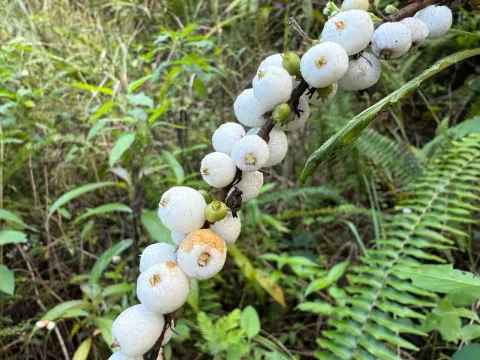
Duggena
Duggena
The sowing time of Duggena depends directly on the climatic zone and the soil warming temperature. The optimal period for sowing seeds is considered to be the time when the soil at a depth of 5-8 cm reaches 10-12 degrees Celsius.
What the section contains

Duggena
In regions with prolonged springs, sowing operations are recommended to be moved to late April to prevent the impact of returning frosts. Early sowing can lead to delayed emergence and the development of root rots.
The seeding depth varies from 3 to 5 centimeters depending on moisture availability and the textural composition of the soil. On light sandy soils, the depth is increased to retain moisture in the germination zone.
The seeding rate should be calculated taking into account the germination quality of the seed material and the planned stand density at the time of harvest. Crop density is critical for ensuring an optimal feeding area for each individual plant.
Using precision seed drills ensures uniform seed distribution, which reduces competition between plants and promotes more even seedling emergence in the field.
Duggena is a light-loving crop and requires open areas that exclude shading by other plants or structures. Lack of sunlight during the growing season leads to stem elongation and a decrease in overall photosynthetic productivity.
The crop has moderate soil fertility requirements, preferring well-drained loams with a neutral or slightly acidic pH level. Water stagnation in the root zone is lethal to the plant.
The crop is sensitive to moisture levels in the soil, especially during the active formation phase of vegetative mass and flowering. In dry periods, additional irrigation may be required to maintain tissue turgor.
The optimal temperature range for development is between 18 and 25 degrees Celsius. Significant temperature fluctuations between day and night can slow down the metabolic processes in the plant organism.
Successful growth requires balanced fertilizers containing nitrogen, phosphorus, and potassium. Applying organic fertilizers in the fall during plowing allows for prolonged feeding of the crop throughout the following season.
The yield of Duggena depends on strict adherence to cultivation technology and the overall level of agricultural background in a specific field. Implementing intensive methods can significantly increase production output per unit area.
In favorable years, with sufficient moisture and nutrient supply, the crop achieves maximum productivity. Variety characteristics also play a key role in forming the potential yield.
Optimizing seeding density is one of the main factors influencing the final result. Over-dense crops are prone to lodging and the development of fungal infections, which negatively affects harvest quality.
Timely weed control during early growth stages allows the crop to develop better and utilize soil resources more efficiently. Competition with weeds at the beginning of the season can reduce final yield by up to 30%.
Using modern intensification tools and high-quality seed material allows for maintaining stable yield indicators at high levels annually.
The greatest threat to Duggena comes from fungal diseases that develop under high humidity and soil moisture. Powdery mildew often affects leaves in the summer, covering them with a characteristic white bloom.
Root rots are a serious threat in the early stages of development, especially when crop rotation is violated and the culture is grown as a monoculture. Seed dressing is a mandatory stage of pathogen protection.
Among pests, leaf-eating insects cause the most significant damage, capable of destroying a large portion of the assimilative leaf surface in a short time. Pest population monitoring should be carried out weekly.
Sucking pests, such as aphids, can act as vectors for viral diseases, which currently have almost no effective treatment. Controlling aphid populations with insecticides is a preventive protection measure.
- Strict adherence to crop rotation with a return to the same plot no sooner than after 3-4 years.
- Use of systemic fungicides at the first signs of disease.
- Regular weeding and destruction of infection reservoirs in adjacent shelterbelts.
Harvesting should be carried out strictly during the phase of full biological maturity, when seeds or fruits reach their typical size and color for the variety. Delaying the harvest can lead to shattering and loss of part of the yield.
The harvesting process must be organized in dry weather to prevent deterioration of the harvested raw material during storage. High moisture content of seeds at the time of harvest requires immediate drying to safe levels.
Using specialized harvesting equipment minimizes mechanical damage to the product. Proper adjustment of the combine’s working parts is critical for reducing grain or seed losses.
After harvesting, the collected product goes through a cleaning process to remove impurities and for calibration. This allows obtaining a commercial batch that meets quality standards and is suitable for long-term storage.
Storage is carried out in dry, ventilated warehouse facilities at a controlled temperature. Regular monitoring of moisture in the grain pile helps prevent mold development and spoilage of stocks.