
Fadogia agrestis
Fadogia agrestis
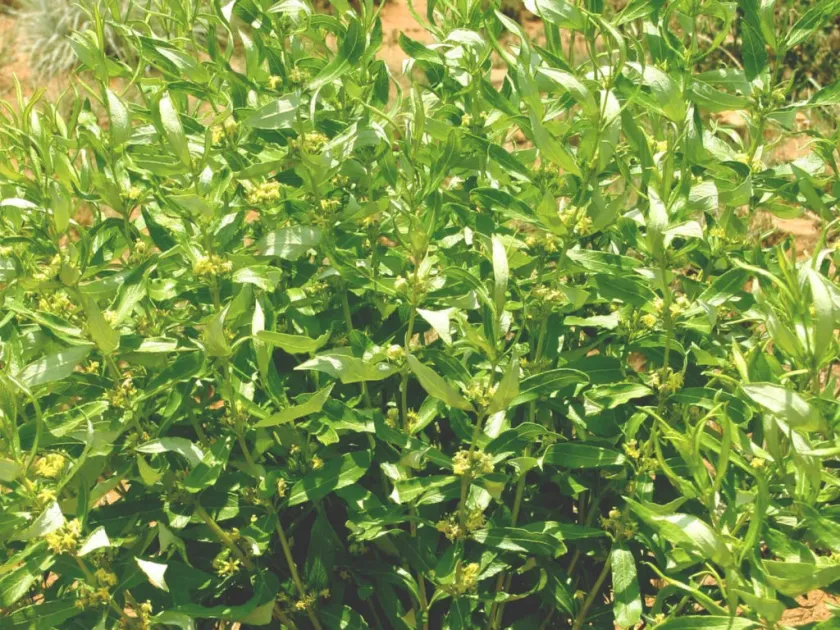
Description
Growing requirements
Fadogia agrestis is a perennial shrub native to the tropical savannas of Central and West Africa. As a member of the Rubiaceae family, it shares botanical characteristics with many other medicinal and ornamental plants, yet it maintains its unique morphological identity.
The cultivation of this species requires a warm, tropical climate with distinct seasonal variation. It thrives in well-draining soil types, particularly sandy loams that allow for deep root penetration while preventing water stagnation, which is detrimental to the plant's health.
Sunlight exposure is crucial for the development of Fadogia agrestis. It requires full solar irradiation to maintain its growth rates and to ensure the synthesis of its key phytochemical components, which are highly valued in the herbal industry.
In terms of temperature, the plant prefers consistent warmth and cannot withstand freezing conditions. Farmers typically cultivate it in regions where the ambient temperature remains above 20 degrees Celsius throughout the year to avoid thermal stress.
The agronomic management of this crop focuses on sustainable harvesting of the stems and roots. While it is not a large-scale industrial commodity, it is increasingly studied for its agricultural potential in niche markets for botanical supplements.
Main diseases and pests
Root rot, primarily caused by fungal pathogens such as Pythium and Phytophthora, represents the most significant threat to Fadogia agrestis. These diseases are frequently triggered by poor drainage or excessive irrigation during the humid seasons.
Various aphids and whiteflies act as major pests, clustering on the undersides of leaves and sucking plant sap. Their feeding behavior not only weakens the plant but can also facilitate the transmission of systemic viral infections that stunt growth.
Soil-borne nematodes are another serious concern, as they parasitize the roots and reduce the plant's ability to uptake water and nutrients. Crop rotation and soil solarization are recommended strategies to minimize nematode population density in the field.
Leaf-eating caterpillars can cause significant defoliation if left unchecked. Integrated Pest Management (IPM) techniques, including the use of pheromone traps and beneficial predatory insects, are preferred over broad-spectrum chemical interventions.
Maintaining optimal spacing between plants is essential to improve airflow and reduce microclimate humidity, which suppresses the proliferation of fungal spores. Proper field sanitation, including the removal of infected debris, is vital for long-term production success.