
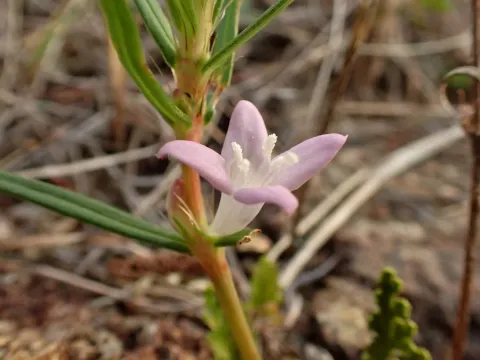
Diodia rigida
Diodia rigida
Diodia rigida is a perennial herbaceous plant belonging to the Rubiaceae family. Originally native to tropical regions of South America, it has developed robust survival mechanisms that allow it to thrive in diverse environmental settings.
What the section contains
Diodia rigida
The plant performs best in well-drained, sandy or light loamy soils. It is particularly sensitive to soil compaction, which can significantly restrict root penetration and nutrient uptake, therefore frequent cultivation is recommended.
Climate requirements include high ambient temperatures, ideally between 22°C and 30°C. As a tropical species, it cannot withstand freezing temperatures and is typically grown in controlled environments in temperate zones.
Optimal growth requires consistent soil moisture without waterlogging. Efficient irrigation strategies, such as drip systems, are often employed to maintain the required hydration levels throughout the season.
Agronomic management involves periodic pruning to encourage denser branching and the application of balanced NPK fertilizers to support the plant's metabolic processes and overall health.
Root rot, primarily caused by Pythium or Phytophthora species, is the most common pathology. It occurs almost exclusively under conditions of poor soil aeration and excessive irrigation frequency.
Insects like aphids and spider mites are frequent pests. They cause damage by sucking plant sap, which leads to chlorosis and potential transmission of secondary viral infections if left unmanaged.
Effective pest management relies on Integrated Pest Management (IPM) practices, including biological control agents like predatory mites and systemic horticultural soaps.
Proper sanitation, including the removal of weeds and debris, is critical to preventing the build-up of inoculum that can trigger outbreaks of leaf spot diseases.
Regular scouting and monitoring are essential to identify early signs of infestation or disease, allowing for timely intervention before the economic threshold is reached.