
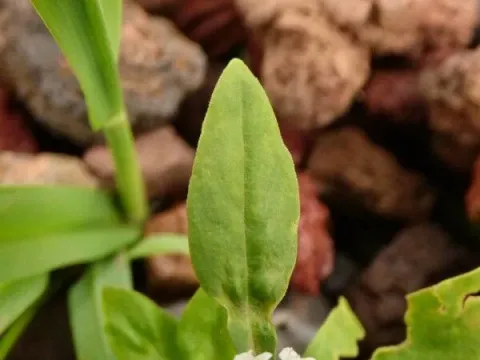
Diodia dasycephala
Diodia dasycephala
Diodia dasycephala is a perennial herbaceous plant belonging to the Rubiaceae family. Native to tropical Africa, it thrives in warm, humid conditions and is highly regarded for its biological properties within local ecosystems.
What the section contains
Diodia dasycephala
The plant requires well-drained, nutrient-rich soil to reach its full potential. While it adapts to various soil types, maintaining a neutral or slightly acidic pH is optimal for nutrient uptake and healthy biomass production.
Being a sun-loving species, Diodia dasycephala requires high levels of solar exposure. In a cultivation setting, it should be spaced appropriately to ensure adequate airflow, which prevents the build-up of excess humidity around the plant base.
Climatic requirements are strict due to the plant's tropical origin. It demands a frost-free environment with temperatures consistently above 20 degrees Celsius. In non-tropical regions, greenhouse cultivation is mandatory to avoid cold stress.
Its economic importance is primarily linked to pharmaceutical research. Various extracts from Diodia species are being studied for their potential health benefits, making this plant an interesting candidate for specialized high-value agricultural production.
The most common agricultural threats include fungal pathogens, particularly in poorly ventilated conditions. Root rot and leaf spotting are prevalent if the soil moisture level remains too high for extended periods, necessitating careful irrigation control.
Pest pressure often stems from aphids and spider mites, which can proliferate quickly in dry indoor environments. Implementing integrated pest management strategies, such as biological controls, helps maintain plant health without relying heavily on chemical pesticides.