
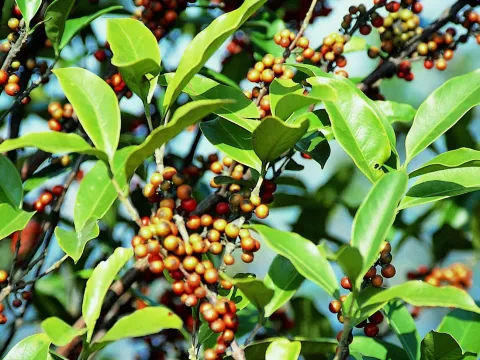
Diplospora
Diplospora
Diplospora is a genus typically grown in controlled environments such as greenhouses or indoor conservatories due to its specific tropical climate needs.
What the section contains
Diplospora
Propagation is most successful in early spring when the plant initiates new growth, making it the ideal time for both seed sowing and stem cuttings.
Seeds should be sown in a well-draining, peat-based medium that retains enough moisture to support germination without causing seed decay.
Stem cuttings should be taken from semi-hardened wood and placed in a high-humidity chamber to promote root development before transplanting into individual pots.
Temperature control during the sowing phase is crucial; keeping the substrate between 22 and 25 degrees Celsius significantly improves the overall success rate.
As a member of the Rubiaceae family, Diplospora is closely related to various tropical shrubs that thrive in high-humidity, warm environments.
The plant requires a nutrient-rich, acidic soil profile with excellent drainage capabilities to maintain healthy root systems and prevent waterlogging.
Light requirements involve bright, indirect sunlight, as direct exposure can easily scorch the foliage and negatively affect the plant's aesthetic quality.
Consistent moisture is a key factor; however, the watering schedule must be adjusted based on the current season and the plant's active growth stage.
Regular feeding with balanced, micronutrient-rich fertilizers during the summer months is essential for sustaining the vibrant look of its foliage.
Spider mites are common pests that thrive in dry indoor air, posing a significant threat to the overall health and vigor of the Diplospora plant.
Root rot, resulting from excessive soil moisture or poor drainage, is the most critical threat to the long-term survival of the shrub in indoor settings.
Mealybugs can often be found in the leaf axils, requiring immediate attention with horticultural soaps or systemic insecticides to prevent spreading.
Fungal leaf spot diseases occur frequently in poorly ventilated areas where high humidity levels are maintained without adequate air circulation.
Proper plant hygiene and periodic inspection of the underside of leaves are the most effective preventive measures against major pests and infections.