
Diodia apiculata
Diodia apiculata
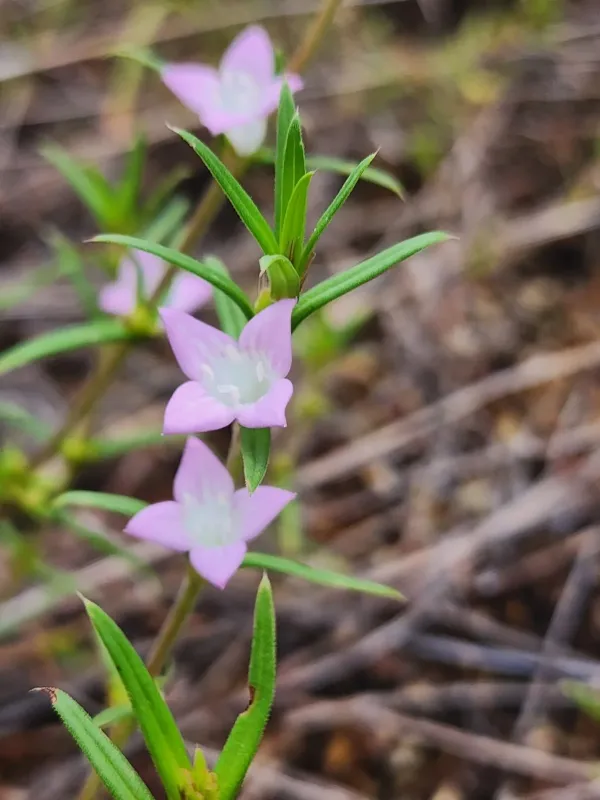
Description
Growing requirements
Diodia apiculata is a perennial herbaceous plant belonging to the Rubiaceae family. Native to the tropical regions of South America, this species has gained interest in various agricultural studies due to its adaptability to diverse environmental conditions.
The plant features prostrate or ascending stems with distinctive pointed leaves. Its morphology allows it to create a dense ground cover, which serves as a natural mulch and helps in soil stabilization in tropical farming systems.
Regarding cultivation, Diodia apiculata thrives in sunny environments with well-drained, nutrient-rich soils. It demonstrates significant resilience to fluctuating moisture levels, making it a robust candidate for cultivation in regions with seasonal rainfall patterns.
Optimal agrotechnology includes ensuring proper spacing between rows to facilitate airflow and regular weed management during the establishment phase. While the plant is hardy, providing supplemental irrigation during prolonged dry spells can improve biomass production.
The use of this species in agroforestry and soil reclamation highlights its role in sustainable land management. Its ability to colonize disturbed soils makes it an excellent choice for preventing soil erosion in degraded agricultural landscapes.
Main diseases and pests
Pathogenic threats for Diodia apiculata primarily include fungal diseases such as leaf spots and root rots, which often occur in poorly drained soils or conditions with excessive humidity.
Common pests affecting this crop include various species of aphids and spider mites. These pests tend to colonize the undersides of the leaves, where they feed on sap and weaken the overall vitality of the plant.
Integrated pest management strategies involve the use of bio-rational insecticides and the maintenance of field hygiene, such as removing crop debris, to minimize the overwintering of pathogens.
Cultural practices, including proper crop rotation and the adjustment of planting density, are effective ways to mitigate the risk of disease outbreaks and maintain the plant's natural resistance.
Regular scouting and early detection of pest symptoms are crucial for successful management. Applying systemic treatments only when necessary helps preserve beneficial predatory insects that naturally control the population of pests.