
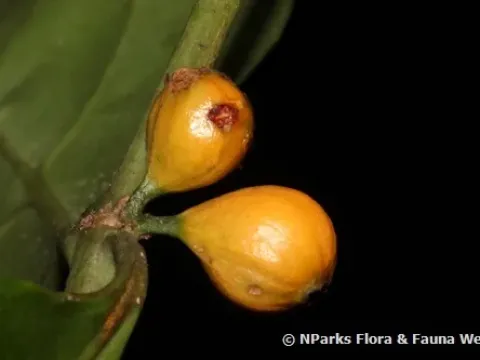
Dibridsonia
Dibridsonia
Dibridsonia is a member of the Rubiaceae family, known for its specific ecological needs. Successful cultivation begins with understanding its tropical origins and the necessity for a controlled microclimate.
What the section contains

Dibridsonia
Sowing should be performed in a light, nutrient-rich substrate. The seeds require warmth, ideally around 25-27 degrees Celsius, to initiate germination within a reasonable timeframe.
Strategic timing for sowing is essential, usually aiming for early spring under glass. High humidity levels must be maintained during the initial phase to support the delicate germinating seeds.
Proper seed preparation, including mild scarification or soaking, can significantly enhance the uniformity of emergence. Avoid sowing too deep, as the seedlings need immediate access to light once they emerge.
Monitoring the moisture content of the sowing tray is vital. Use a misting system to maintain the environment without over-saturating the medium, which could lead to seed rot.
The plant requires well-drained, acidic to neutral soil. Poor drainage often leads to catastrophic failure, as the roots are highly susceptible to anaerobic conditions.
Lighting should be bright but indirect. Intense, direct sun is detrimental and causes significant leaf damage, stressing the plant and reducing its photosynthetic capacity.
Regular monitoring of soil moisture is required, allowing the surface to slightly dry between watering sessions. Consistent temperatures are preferred to avoid thermal stress on the root system.
Fertilization schedules should prioritize balanced NPK ratios with added micronutrients during the growing season. Micronutrient deficiency often manifests as chlorosis on the younger leaves.
Protection from extreme temperature fluctuations and dry winds is necessary for maintaining plant health and vigor throughout the growth cycle.
Common phytopathological risks include root rot caused by fungi such as Pythium or Phytophthora. These pathogens thrive in waterlogged, stagnant soil environments common in poorly managed greenhouse settings.
Pests like spider mites and mealybugs represent the most significant threat to plant biomass. These pests can rapidly reproduce in warm, humid conditions, requiring vigilant inspection.
Integrated Pest Management (IPM) is strongly recommended. Biological controls can be highly effective if used in the early stages of pest detection before populations spiral out of control.
Sanitation is the first line of defense. Ensuring all tools and containers are sterilized and maintaining proper airflow between plants will significantly reduce the risk of outbreaks.
Always keep a record of health observations for each growth batch to identify patterns in vulnerability and adjust management practices accordingly.