
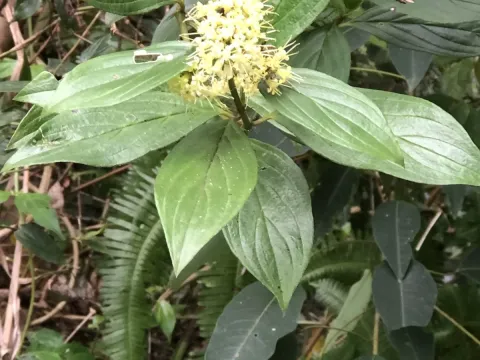
Dimetia
Dimetia
Sowing of Dimetia should be conducted when soil temperatures have stabilized sufficiently to ensure rapid germination and uniform establishment of the crop.
What the section contains

Dimetia
The selection of the sowing date is crucial to align the crop's peak growth stages with optimal climatic conditions and moisture availability.
Precision seeding equipment is recommended to maintain an ideal plant population density, which minimizes competition for light and nutrients among seedlings.
Soil bed preparation should focus on achieving a fine, tilthy structure that supports seed-to-soil contact and promotes even emergence across the field.
Agronomists advise monitoring soil moisture levels prior to sowing to ensure that the environment is conducive to the initial stages of plant development.
As a member of the Rubiaceae family, Dimetia thrives in environments that provide specific soil nutrient levels and adequate protection from harsh winds.
The plant prefers well-drained loamy soils with a neutral pH, which is essential for the optimal uptake of minerals and healthy development of the root system.
Moderate temperature ranges are considered ideal for the metabolic processes of the plant, though it shows some adaptability to slightly fluctuating conditions.
Adequate sunlight exposure is vital, as the crop requires sufficient light intensity to drive photosynthesis and support the accumulation of vegetative mass.
Regular irrigation management, especially during dry spells, is necessary to prevent water stress and maintain consistent growth rates throughout the season.
Crop yield in Dimetia is heavily influenced by the adoption of intensive agronomic practices, including balanced fertilization and timely weed control.
By optimizing the nutrient availability based on soil test results, growers can significantly improve both the quantity and quality of the harvested biomass.
Yield potential is also determined by the health of the plants throughout their lifecycle, necessitating proactive management of any identified field issues.
Modern breeding programs are continually refining the crop to provide higher yields and better resistance to standard environmental stressors found in the field.
Effective resource management, including the precise application of inputs, leads to a higher return on investment for commercial farming operations.
Dimetia is susceptible to various fungal pathogens, particularly in regions where humidity levels remain high for extended periods of the growing season.
Integrated Pest Management (IPM) strategies are essential to mitigate the risk of damage caused by insects and pathogens that threaten crop stability.
- Powdery mildew which affects the leaves and disrupts energy production in the plant.
- Root rot pathogens that thrive in poorly drained or waterlogged field conditions.
- Aphid populations that cause stunted growth and act as vectors for various plant viruses.
Crop rotation remains the most effective prophylactic measure to reduce the buildup of soil-borne diseases in fields where this culture is grown repeatedly.
Field scouting and monitoring are key components in the early identification of outbreaks, allowing for targeted intervention before economic damage occurs.
Harvesting should occur when the crop has reached physiological maturity, ensuring that the chemical composition and quality of the product are at their peak.
Logistical planning for harvest is essential to ensure that the gathered biomass is processed promptly, reducing the risk of spoilage due to moisture.
Using specialized harvesting equipment allows for clean and efficient collection of the plant material while minimizing losses during the mechanical process.
Post-harvest drying in controlled environments is a critical step to ensure that the material remains stable and resistant to mold development during storage.
Proper storage conditions, characterized by low humidity and adequate airflow, are necessary to maintain the integrity of the harvest for future use.