
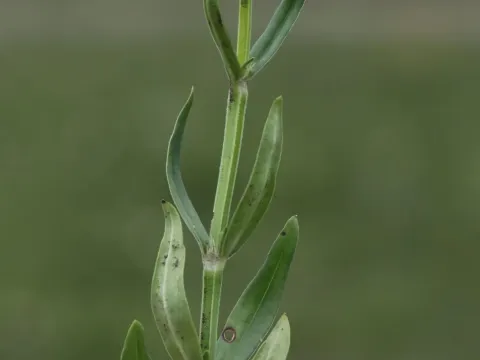
Diodia natalensis
Diodia natalensis
Diodia natalensis is a herbaceous member of the Rubiaceae family, known for its resilience and adaptability in its native range. As a crop, it exhibits a vigorous growth habit, often spreading through semi-prostrate stems that require adequate space for optimal canopy development.
What the section contains
Diodia natalensis
Soil requirements for this plant focus on high organic matter content and excellent drainage. It thrives in well-structured soils that prevent moisture accumulation, which can otherwise lead to root stress or anaerobic conditions detrimental to the plant's health.
Climatic preferences center on warm, humid environments with a consistent temperature range. It acts as a thermophilic crop, meaning that maintaining temperatures above 20 degrees Celsius is essential for constant biomass production throughout the growing season.
Light intensity plays a critical role in the accumulation of secondary metabolites. Growers should ensure that the plant receives at least six to eight hours of direct sunlight daily to maximize the structural integrity of its stems and foliage.
Agronomic management requires precise irrigation schedules. Drip irrigation is highly recommended to deliver water directly to the root zone without wetting the foliage excessively, thereby reducing the risk of humidity-related disorders.
The primary threats to Diodia natalensis cultivation are fungal infections driven by high relative humidity. Pathogens such as Pythium and Rhizoctonia are common concerns that can significantly diminish crop density if left untreated.
Pest pressures are predominantly caused by sap-sucking insects including aphids and spider mites. These pests deplete plant nutrients and can cause severe chlorosis, which hinders the plant’s ability to conduct photosynthesis efficiently.
Integrated Pest Management (IPM) strategies should be implemented to minimize damage. This includes the use of predatory insects for biological control, which serves as a sustainable alternative to broad-spectrum chemical pesticides.
Regular scouting and sanitation are essential components of disease control. Infected debris must be removed and destroyed to prevent the spores of pathogens from overwintering in the soil and causing future outbreaks.
Finally, maintaining balanced soil fertility is crucial for plant resistance. Over-application of nitrogenous fertilizers can promote succulent growth, making the crop more susceptible to both insect infestations and mechanical damage.