
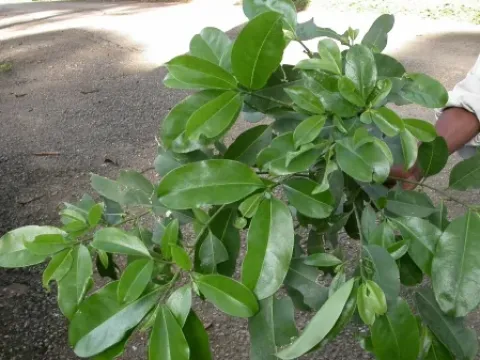
Craterispermum
Craterispermum
Craterispermum is a genus of evergreen shrubs and small trees belonging to the diverse Rubiaceae family. This family is taxonomically significant as it includes numerous economically important species, such as coffee and cinchona, which drives interest in the physiological study of this specific genus.
What the section contains


Craterispermum
The native range of Craterispermum is primarily located within the tropical regions of Africa and Madagascar. These plants naturally flourish in the understory of dense rainforests, where they are adapted to low-light environments and highly humid atmospheric conditions throughout the year.
Cultivation of this genus requires a substrate that is both rich in organic matter and well-aerated. To maintain health, the soil must be kept consistently moist but not waterlogged, as the root systems of these tropical species are generally sensitive to poor drainage conditions.
Environmental requirements are strictly tied to tropical climates with minimal temperature fluctuations. Excessive heat, combined with drought, can lead to physiological stress; therefore, successful indoor or controlled-environment management necessitates artificial misting and shading to prevent moisture loss.
While not a major commercial agricultural commodity, Craterispermum holds interest for scientific research, particularly in the study of natural secondary metabolites. Its potential applications span from ethnomedical research to its role as a potential source of botanical compounds within the broader Rubiaceae family framework.