
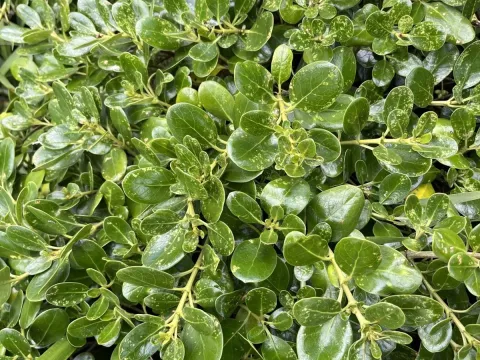
Coprosma
Coprosma J.R. et G. Forst.
Coprosma is a genus of evergreen shrubs and small trees belonging to the Rubiaceae family. Native primarily to New Zealand and the Pacific region, these plants are renowned for their glossy, attractive foliage that thrives in temperate maritime climates.
What the section contains


Coprosma
The cultivation of Coprosma requires well-drained, nutrient-rich soil. It is essential to ensure that the substrate is not overly compact, as the root system of this culture is highly susceptible to waterlogging and rot in heavy, clay-based soils.
Regarding climate, Coprosma is best adapted to mild environments. While some varieties show slight frost tolerance, most are considered tender and must be sheltered or moved indoors during winter in regions with significant temperature drops.
Proper light exposure is crucial for the development of the plant. It prefers bright, indirect sunlight, which helps maintain the vibrancy of its leaf colors, especially in variegated cultivars that are particularly popular in the ornamental trade.
In terms of хозяйственного использования, Coprosma is an ideal choice for hedging, container gardening, and wind-sheltered coastal landscapes. Its high tolerance for pruning makes it a versatile plant for structural garden design.
The most common pests affecting Coprosma include scale insects, which appear as small, hard bumps on stems and leaves. These pests weaken the plant by extracting sap and can lead to the formation of sooty mold on the foliage.
Mealybugs are another frequent threat, often congregating in protected areas like leaf axils. These pests are easily identified by their white, cotton-like excretion and require immediate treatment with systemic insecticides or horticultural oils.
Fungal issues such as leaf spot and powdery mildew may occur in poorly ventilated or excessively humid conditions. Regular monitoring of foliage and ensuring adequate spacing between plants can significantly reduce the risk of infection.
Root rot is the most serious threat, usually caused by overwatering or insufficient drainage. Symptoms include wilting despite moist soil, which necessitates immediate checking of the root ball and soil replacement if decay is detected.
To ensure plant health, it is recommended to maintain a clean growing environment, remove fallen debris, and apply preventative pest treatments during the active growing season to avoid severe infestations.