
Coptosperma borbonicum
Coptosperma borbonicum
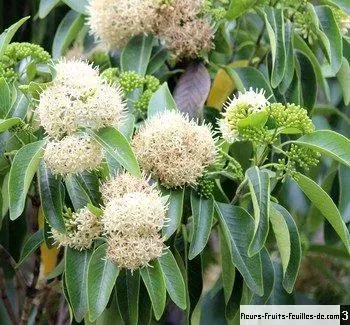
Description
Growing requirements
Coptosperma borbonicum is a unique species within the Rubiaceae family, native to the islands of the Indian Ocean. It is a woody perennial that thrives in humid, tropical environments, often serving as a secondary forest species in its natural range.
The climate requirements for this plant include consistent warmth and high levels of atmospheric humidity. It is not cold-hardy and must be kept in stable temperatures, ideally between 22 and 26 degrees Celsius, to prevent stress and metabolic slowdown.
Soil requirements focus on high organic content and excellent drainage. A loose, aerated substrate helps prevent root asphyxiation, a common issue with tropical woody plants, while maintaining the necessary moisture retention for healthy development.
Proper cultivation techniques involve light shade during the brightest hours of the day to avoid leaf scorch. As an understory plant, it has evolved to utilize filtered light, which must be replicated in greenhouse or nursery settings.
Fertilization should be handled with caution, using balanced, slow-release fertilizers during the peak growing season. It is essential to avoid excessive nitrogen, which can lead to weak, succulent growth that is susceptible to environmental changes.
Main diseases and pests
Fungal pathogens represent a primary threat, particularly in enclosed spaces with limited airflow. Proper ventilation is key to minimizing the risk of powdery mildew and leaf spotting pathogens.
Sucking pests such as scale insects and mealybugs are frequent threats that damage foliage and inhibit the plant's growth. Manual removal combined with insecticidal soaps is often the first line of defense.
Root system health is vital; therefore, overwatering is the most common cause of decline. Waterlogging creates anaerobic conditions that favor root rot, which is difficult to reverse once the damage is systemic.
Spider mites can become a significant issue during dry conditions. Regular misting and monitoring are recommended to deter these pests from establishing colonies on the underside of the leaves.
Sanitation practices are essential for disease prevention. This includes the removal of fallen debris, sterilization of pruning tools, and ensuring that any imported plant material undergoes a quarantine process.