
Coptosperma littorale
Coptosperma littorale
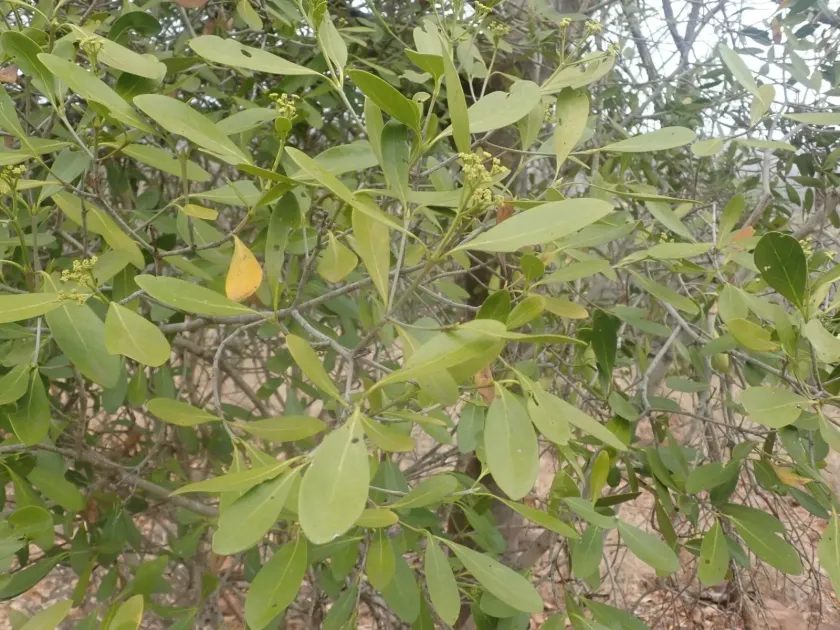
Description
Growing requirements
Coptosperma littorale is an evergreen shrub or small tree belonging to the Rubiaceae family. It is recognized for its dense foliage and significant adaptive capacity to coastal environments within its native range.
The species originates from the eastern coastal regions of Africa and various islands in the Indian Ocean. Its natural habitat is defined by sandy soils and proximity to marine environments, where it demonstrates notable salt tolerance.
Successful cultivation requires full sun exposure and well-aerated, sandy or loamy soils with excellent drainage. As a heat-loving plant, it performs best in regions where temperatures remain consistently above freezing year-round.
Agronomic management involves maintaining moderate soil moisture levels without causing saturation. During the peak growing season, the application of a balanced fertilizer supports robust leaf development and structural integrity.
In a controlled environment, spacing should be sufficient to allow for air circulation, which is crucial for maintaining plant health. Pruning can be conducted to control size and enhance the aesthetic or functional value of the specimen.
Main diseases and pests
The crop is occasionally susceptible to common pests such as scale insects and spider mites. Regular monitoring and the application of horticultural oils or systemic insecticides help in managing these populations.
Root pathogens associated with excessive soil moisture pose the primary biological threat. Growers should prioritize the use of high-quality, porous growing media to prevent root decay and ensure consistent root health.