
Caucasian hawthorn
Crataegus caucasica
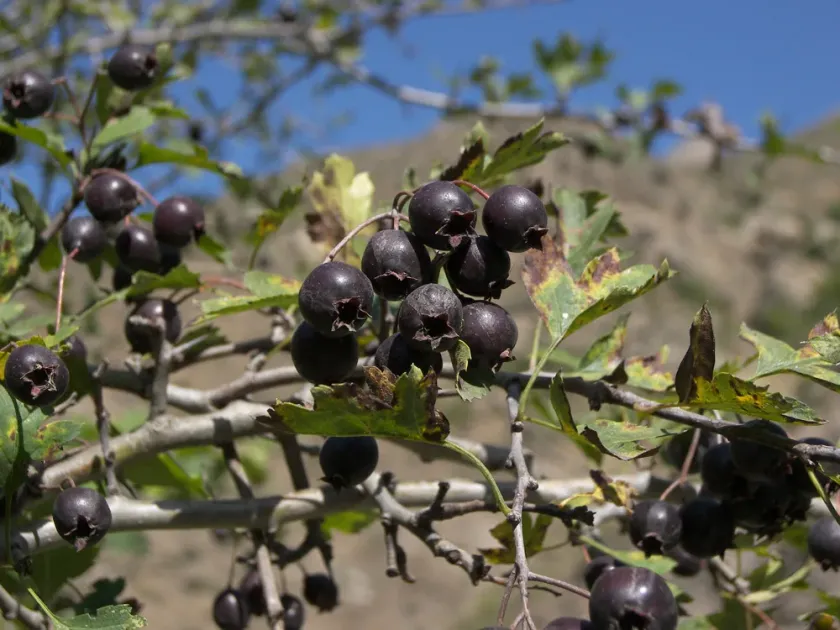
Description
Growing requirements
Caucasian hawthorn (Crataegus caucasica) belongs to the Rosaceae family. It is a perennial deciduous shrub or small tree, highly valued for its dense structure and high ecological plasticity.
This species is native to the Caucasus region, where it naturally occurs in mountainous slopes and forest edges, indicating a high level of resilience to varying climatic conditions.
The plant requires full sun exposure to thrive and produce a high yield of fruits. It is drought-tolerant, making it suitable for regions with irregular rainfall patterns and hot, dry summers.
Regarding soil, it prefers well-drained, loam-based substrates with adequate organic matter content. It is tolerant of rocky soils, which reflects its native adaptation to mountain habitats.
Agricultural management requires periodic pruning to maintain plant health and shape. Pruning also helps in stimulating fruit production and removing dead wood that might harbor pests.
Main diseases and pests
Common diseases affecting this species include powdery mildew and various leaf rust fungi. These conditions are more prevalent in areas with high humidity and poor ventilation.
Pests such as hawthorn spider mites and aphids can cause significant damage to the foliage, which reduces the plant's photosynthetic capacity and overall vigor.
Effective management includes maintaining a clear area around the base of the tree and ensuring that the canopy is not too dense to prevent micro-climates conducive to fungi.
During pest outbreaks, targeted application of environmentally safe pesticides or horticultural oils may be required to protect the fruit quality and plant structure.
General hygiene in the orchard, including the removal of fallen leaves and infected fruit, is the primary defense strategy to prevent the recurrence of diseases in the following season.