
Cercocarpus betuloides
Cercocarpus betuloides
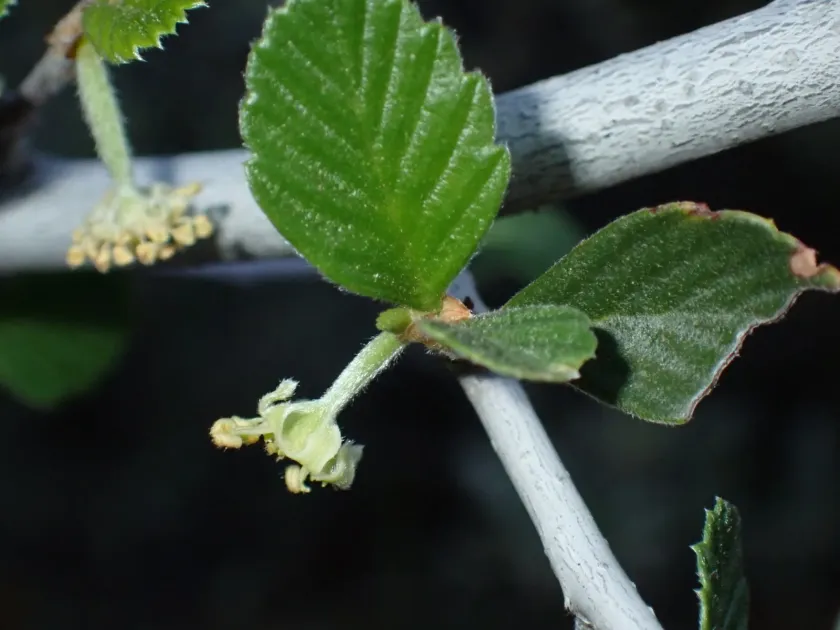
Description
Growing requirements
Cercocarpus betuloides, commonly known as birchleaf mountain mahogany, is a resilient shrub or small tree belonging to the Rosaceae family. Native to western North America, it is highly valued for its ability to thrive in challenging, dry environments.
This species requires full sun exposure to maintain its structural integrity and foliage density. It is highly adapted to rocky, well-draining soils and performs poorly in heavy, waterlogged conditions where root aeration is restricted.
The plant is exceptionally drought-tolerant once established, thanks to its deep root system. In terms of soil chemistry, it prefers neutral to slightly alkaline substrates, which mirror the conditions of its natural limestone-based habitats.
Cultural maintenance involves minimal watering once the plants have matured. During the first two years of growth, supplemental irrigation is necessary to ensure deep root development and long-term survival in arid landscapes.
Pruning should be performed sparingly, mainly to remove dead or diseased wood. Because it is a slow-growing species, excessive trimming can stress the plant and delay its natural development cycle.
Main diseases and pests
Aphids represent a primary pest concern for young specimens, as they target tender new growth. Infestations can lead to distorted leaves and the formation of sooty mold, which impairs photosynthesis.
Fungal pathogens such as Phytophthora can affect the root system if the soil is poorly drained. Avoiding irrigation directly at the base of the trunk is a crucial preventative measure for homeowners and professional growers.
Powdery mildew may occur during periods of high humidity or poor air circulation. Proper spacing between individual plants is the most effective cultural method to mitigate this risk without relying on chemicals.
Larvae of various moth species can cause localized damage to foliage. While usually not fatal to mature plants, significant defoliation can reduce the aesthetic value and weaken the shrub's vigor during the growing season.
The absence of adequate drainage is the most significant threat to the overall lifespan of the plant. Gardeners must ensure the planting site elevation provides rapid runoff to prevent standing water during heavy rain events.