
Cercocarpus montanus
Cercocarpus montanus
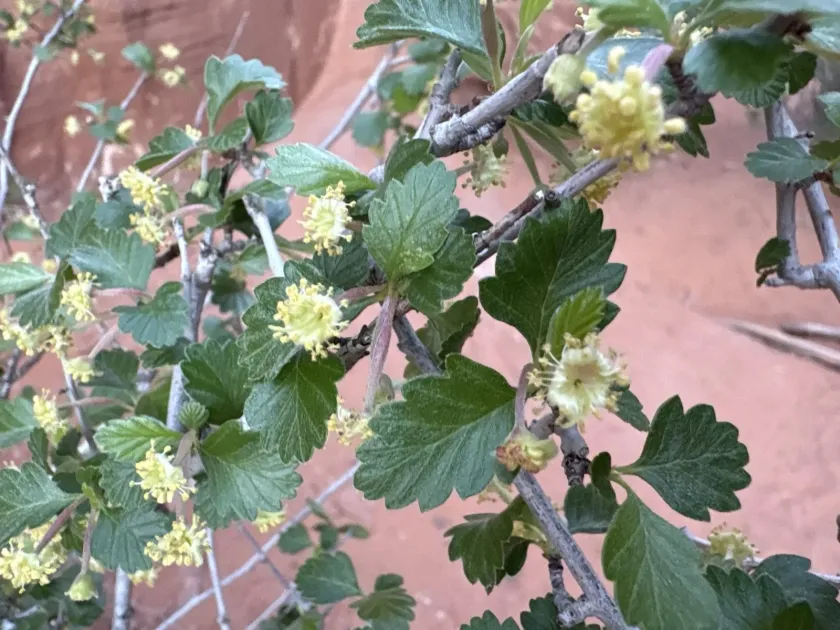
Description
Sowing dates
Cercocarpus montanus, commonly known as mountain mahogany, is propagated primarily by seeds. Sowing is best performed in the fall, allowing for natural stratification throughout the winter months, which breaks seed dormancy.
If spring planting is preferred, seeds must undergo cold stratification in a refrigerator at temperatures between 1°C and 5°C for approximately two to three months. This process ensures high germination rates.
Seeds should be planted at a depth of 1–2 cm in well-draining, gritty soil. Ensuring the substrate remains moist but not waterlogged is critical during the initial germination phase in the nursery.
Seedlings develop a strong taproot early on, so it is advisable to use deep pots to prevent root coiling. Transplanting to the final location should be done carefully to avoid disturbing the root system.
Early spring is the optimal time for outdoor planting once the danger of severe frost has passed. Spacing depends on the specific design intent, generally ranging from 1.5 to 2.5 meters apart.
Growing requirements
Mountain mahogany is a member of the Rosaceae family and is highly adapted to arid, mountain environments. It thrives in regions with poor, alkaline, or rocky soil that other shrubs find inhospitable.
The species requires full sun exposure to maintain its structural integrity and health. Shade-grown specimens tend to become spindly and suffer from reduced vitality and disease susceptibility.
Excellent drainage is the most important requirement for successful cultivation. Mountain mahogany is highly susceptible to root rot if grown in heavy, clay-rich soils that retain standing water for extended periods.
The plant is exceptionally drought-tolerant once established. Its deep root system allows it to access groundwater, making it an excellent candidate for xeriscaping and low-maintenance landscape projects.
Cercocarpus montanus is highly hardy and adapted to cold winters. It can withstand significant temperature fluctuations without the need for protective covers, making it suitable for high-altitude gardening.
Yield
While not a traditional food crop, Cercocarpus montanus provides significant ecological and utilitarian value. It is widely used for erosion control on steep slopes due to its extensive root development.
In forestry and wildlife management, it serves as a critical forage species for large mammals like deer and elk. Its evergreen or semi-evergreen leaves provide essential nutrients during winter when other sources are scarce.
The wood of mountain mahogany is notoriously dense and hard. Historically, it was used by indigenous cultures to craft durable digging sticks, tools, and weapons. Today, it remains highly regarded by woodworkers.
In sustainable landscaping, it serves as a long-lived, slow-growing structural plant. Its ability to thrive without irrigation makes it a champion of water-wise design in arid urban and rural environments.
The plant contributes to soil stabilization and promotes healthier ecosystem development in degraded areas. It acts as an anchor for dry, nutrient-poor soils, helping to build organic matter over time.
Main diseases and pests
Cercocarpus montanus is a resilient species with few natural enemies. Its foliage contains high levels of tannins, which act as a natural deterrent against many leaf-eating insects.
The most significant threat to plant health is improper drainage. Root pathogens, such as Phytophthora or Pythium, can quickly kill a specimen if the soil remains water-saturated for even short durations.
Powdery mildew can occur if the plant is grown in areas with poor airflow and high humidity. Proper site selection and avoiding overhead irrigation help prevent these fungal infections effectively.
In extremely dry summers, spider mites may occasionally infest the leaves. Regular monitoring of the foliage is recommended, especially in high-heat areas, and neem oil or soaps can be used if an outbreak occurs.
- Root rot (from poor soil drainage).
- Powdery mildew (in poor air circulation).
- Spider mites (in prolonged heat).
- Aphids (infrequent on young tender leaves).
- Browsing damage (by deer or rodents in winter).