
Curl-leaf mountain mahogany
Cercocarpus ledifolius
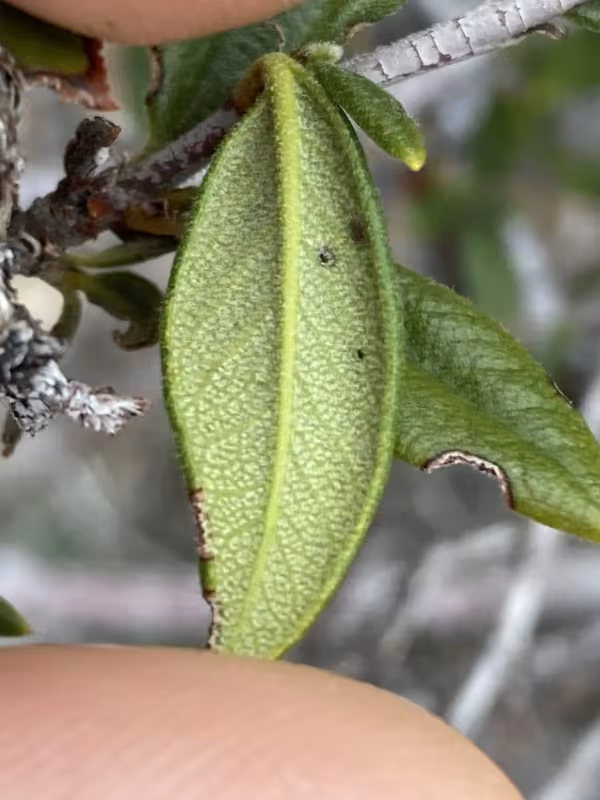
Description
Growing requirements
Cercocarpus ledifolius, commonly known as curl-leaf mountain mahogany, is an evergreen shrub or small tree belonging to the Rosaceae family. It is highly valued for its extreme hardiness and ability to thrive in harsh environments.
This species is native to western North America, primarily found in mountainous regions. It is well-adapted to rocky, well-drained soils and thrives in arid conditions where annual precipitation is quite low.
The plant requires full sun exposure for healthy growth and structural development. It is intolerant of dense shade, which can lead to sparse foliage and weakened stems if the plant is not positioned correctly.
Soil requirements focus on drainage rather than fertility. The species prefers neutral to alkaline soils and is widely recognized for its ability to stabilize steep slopes and prevent soil erosion in arid landscapes.
The growth rate of this species is relatively slow, which contributes to the density and durability of its wood. This makes it an excellent choice for long-term ecological restoration projects and wildland rehabilitation.
Main diseases and pests
Root rot is the primary threat to the curl-leaf mountain mahogany, particularly when the soil drainage is inadequate. Waterlogged conditions must be avoided at all costs to prevent irreversible root damage.
While the plant has a high degree of natural resistance to many pests due to the high tannin content in its leaves, it can still be subject to occasional infestations by defoliating insects.
Large mammals, such as deer and elk, often browse on the young foliage during winter months. This can significantly impact the survival of young stands, necessitating protective measures during the early years.
Environmental stress, such as extreme late-season drought after a wet period, can sometimes compromise the plant’s defenses, making it temporarily susceptible to secondary pathogens.
Proper site selection is the best preventative measure against disease. Ensuring good airflow around the canopy and maintaining a clean growing area significantly lowers the incidence of fungal pathogens.