
Riccia
Riccia
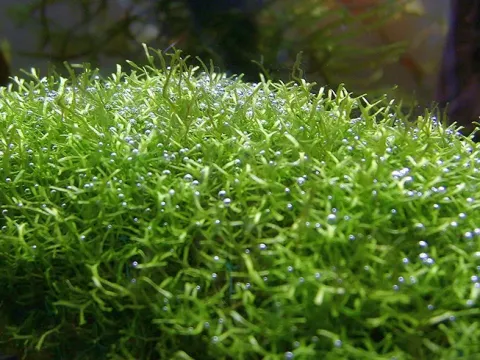
Riccia is a genus of liverworts belonging to the family Ricciaceae. In agricultural and aquatic settings, the most recognized species is Riccia fluitans, characterized by its thalloid structure lacking true stems or leaves.
What the section contains
 Riccia beyrichiana
Riccia beyrichiana
Riccia beyrichiana
 Riccia bifurca
Riccia bifurca
Riccia bifurca
 Riccia canaliculata
Riccia canaliculata
Riccia canaliculata
 Riccia cavernosa
Riccia cavernosa
Riccia cavernosa
 Riccia crozalsii
Riccia crozalsii
Riccia crozalsii
 Riccia crystallina
Riccia crystallina
Riccia crystallina
 Riccia glauca
Riccia glauca
Riccia glauca
 Riccia huebeneriana
Riccia huebeneriana
Riccia huebeneriana
 Riccia nigrella
Riccia nigrella
Riccia nigrella
 Riccia rhenana
Riccia rhenana
Riccia rhenana
 Riccia sorocarpa
Riccia sorocarpa
Riccia sorocarpa
 Riccia subbifurca
Riccia subbifurca
Riccia subbifurca
Riccia
The plant originates from diverse global regions, inhabiting freshwater ecosystems. It does not possess a root system, instead obtaining nutrients directly from the water column through its branching thalli that float or attach to surfaces.
To ensure healthy development, Riccia requires high light intensity and stable water quality. The optimal temperature for this culture ranges between 20°C and 28°C, and it is particularly sensitive to sudden changes in pH and hardness levels.
Riccia is highly valued for its role in oxygenating water and acting as a natural biological filter. Under favorable conditions, the plant displays rapid vegetative propagation, forming thick, dense mats that serve as a habitat for various aquatic microorganisms.
Effective management of Riccia involves regular maintenance of water conditions and providing essential mineral supplementation. Because the thalli are fragile, handling should be minimal to prevent structural damage and decay.
The primary threat to Riccia health is the encroachment of filamentous algae, which compete for light and nutrients. Keeping the water chemistry balanced is the most effective way to prevent algal outbreaks.
Temperature fluctuations and extreme heat significantly compromise the plant's structural integrity. Prolonged exposure to high temperatures results in yellowing and the eventual breakdown of the thallus.
Excessive organic waste accumulation leads to the rapid proliferation of bacteria, which can cause the decay of the lower layers of the moss. Routine cleaning of the water and removal of dead fragments are essential for crop health.
Certain aquatic pests and snails can graze on the tender tissue of the moss, potentially thinning out the population. Integrated pest management, focusing on biological balance, is necessary to keep damage under control.
Lack of proper water circulation, even at low intensity, can create stagnant pockets that trigger the death of the culture. Maintaining a gentle flow ensures that all parts of the plant receive necessary nutrients and oxygen.