
Riccia crystallina
Riccia crystallina
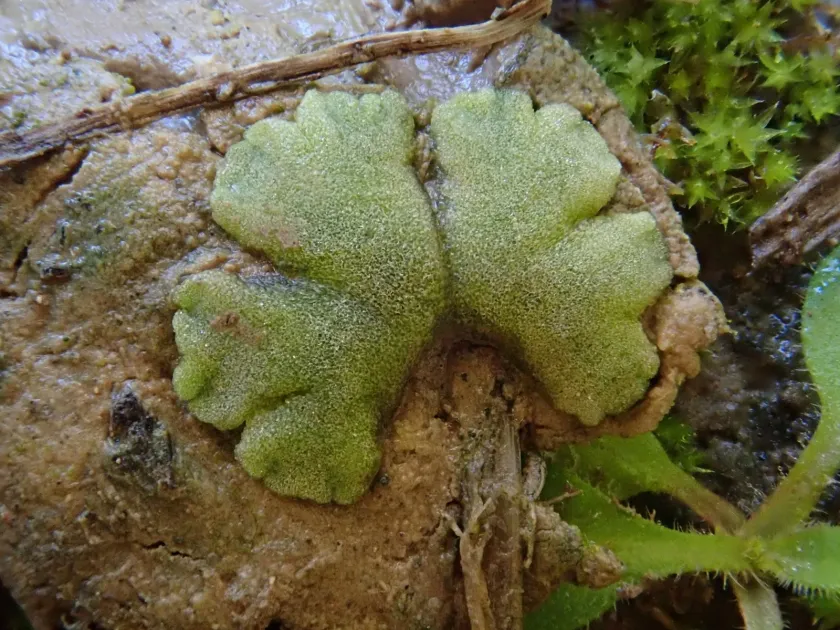
Description
Sowing dates
Riccia crystallina is a member of the Ricciaceae family and propagates primarily through spores or vegetative thallus division rather than traditional seed sowing methods.
In controlled environments, cultivators propagate the plant by fragmenting healthy thalli, which quickly establish themselves when placed on suitable moist substrates.
Optimal growth cycles occur during periods of high light intensity and stable temperatures, typically spanning from late spring throughout the summer months.
The establishment phase requires careful moisture management, ensuring that the fragile thalli are never subjected to prolonged periods of dehydration.
Specialized horticultural setups often use sterile nutrient-rich mud or high-porosity mediums to encourage rapid colony expansion and healthy growth.
Growing requirements
As a specialized hydrophyte, Riccia crystallina thrives in habitats with consistently wet conditions, such as damp riverbanks or muddy ground surfaces.
Sufficient light is essential for maintaining the plant's characteristic rosette morphology, as shaded conditions lead to stunted and irregular development.
Soil requirements involve a preference for neutral to slightly acidic pH levels, rich in organic matter, and high moisture-holding capacity.
The temperature should be maintained within a moderate range to avoid heat stress, which can trigger decay in the dense, carpet-like structures of the plant.
Proper aeration is vital, even for semi-aquatic growth, to ensure that the lower surfaces of the thalli do not succumb to anaerobic conditions.
Main diseases and pests
Competition from algae remains the primary threat, as aggressive algal blooms can rapidly outcompete the liverwort for nutrients and sunlight.
Fungal pathogens may cause significant damage if the environment becomes stagnant or overly humid without adequate air circulation for the colonies.
Various micro-invertebrates and snails are common pests that feed directly on the thallus, leaving visible holes and disrupting the growth pattern.
Imbalances in water chemistry, particularly excessive salinity or heavy metal concentrations, will cause yellowing and necrosis in the foliage.
Chlorosis is a frequent issue if essential micronutrients are lacking, severely reducing the plant's ability to recover from physical damage.