
Riccia huebeneriana
Riccia huebeneriana
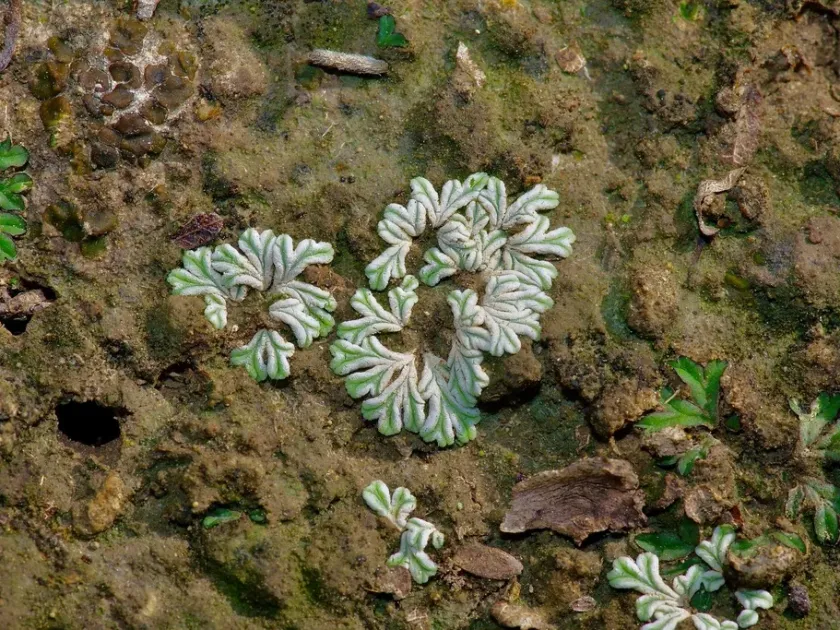
Description
Sowing dates
Riccia huebeneriana is a species of liverwort belonging to the Riccia family. While not an agricultural crop, it is of great botanical interest due to its ephemeral lifecycle and habitat specificity.
The plant typically grows on exposed mudflats along the shores of ponds, lakes, and reservoirs. It is a pioneer species that colonizes bare soil as water levels recede during the summer and autumn months.
There is no traditional sowing process; the species relies on the natural deposition of spores in the substrate during fluctuating water levels. These spores can remain dormant in the soil for extended periods.
Growth is restricted to specific seasonal windows when moisture is sufficient but flooding is absent, allowing the thalli to expand across the surface of the mud.
Because it is a short-lived plant, its survival depends on the predictability of seasonal drying patterns in its native wetland habitats.
Growing requirements
The species requires nutrient-rich, silty, or clayey soils found in eutrophic water bodies, which provide the essential minerals for its rapid growth cycle.
Light availability is a critical limiting factor; Riccia huebeneriana is highly photophilous and cannot survive under the canopy of dense emergent vegetation.
The soil substrate must maintain a specific level of moisture, as the plant is extremely sensitive to rapid desiccation or prolonged submersion.
Temperatures must remain moderate to warm, which aligns with late summer growth, to facilitate the maturation of the thalli and subsequent sporophyte development.
The absence of intense mechanical disturbance, such as livestock trampling or heavy machinery, is essential for maintaining the integrity of these delicate moss colonies.
Main diseases and pests
The primary threat to Riccia huebeneriana is the stabilization of water levels in reservoirs and lakes, which prevents the seasonal exposure of mudflats required for germination.
Habitat loss due to shoreline development, dredging, and land reclamation projects remains the most significant driver of population decline globally.
Invasive species and rapid colonization by terrestrial grasses or other vascular plants often outcompete this liverwort for space on the shorelines.
Pollution from agricultural runoff, including nitrogen and phosphorus surpluses or pesticides, can disrupt the chemical balance of the local microhabitat.
While direct pests are not documented as a major threat, fungal pathogens and environmental stressors during extreme weather events can lead to colony die-offs.