
Riccia subbifurca
Riccia subbifurca
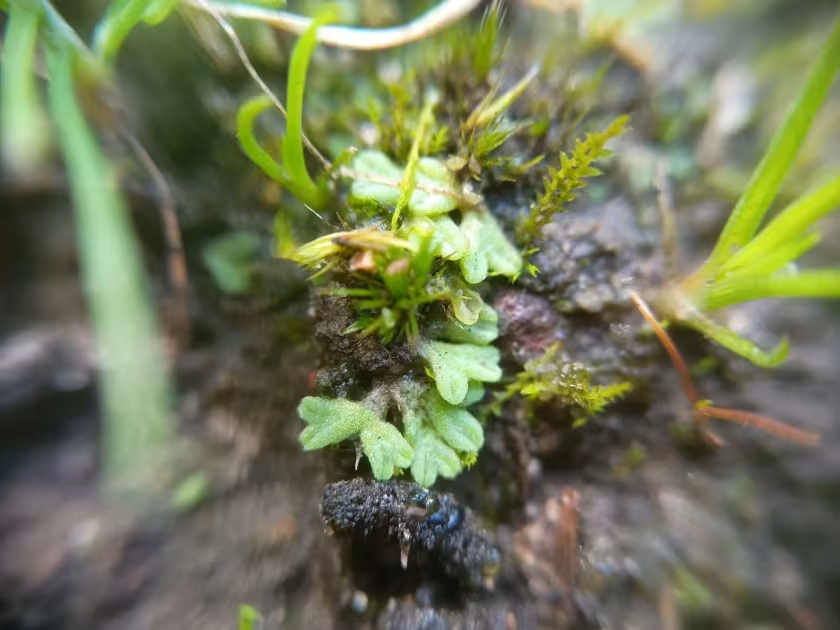
Description
Growing requirements
Riccia subbifurca is a liverwort species belonging to the Ricciaceae family. This small, thalloid plant is found in various parts of the world, particularly thriving in damp, open environments where it can colonize exposed soil.
The plant body, known as a thallus, is typically dichotomously branched and grows pressed flat against the ground. This structure is specialized for capturing moisture directly from the surface of the soil and atmosphere.
Optimal conditions for growth involve moist, nutrient-poor, or disturbed soils. Riccia subbifurca is often considered a pioneer species, as it is one of the first plants to occupy bare ground after seasonal rains.
The species has developed evolutionary mechanisms to cope with temporary drought. It can enter a dormant state during dry spells and resume physiological activity rapidly once water becomes available again.
Unlike conventional agricultural crops, Riccia subbifurca serves primarily ecological functions. It helps in soil stabilization and contributes to the overall biodiversity of wetland and grassland margins.
Main diseases and pests
The most significant threat to Riccia subbifurca is habitat loss due to agricultural intensification. Intensive tillage and the use of chemical fertilizers eliminate the specific micro-habitats required for its survival.
Competition from taller, faster-growing vascular plants often causes the decline of moss populations. Once an area becomes overgrown, the lack of sunlight prevents the liverwort from performing essential photosynthesis.
Excessive moisture causing waterlogging and anaerobic soil conditions can promote the growth of detrimental fungi. These pathogens attack the fragile tissues of the thallus, leading to rot and decay.
Mechanical damage caused by livestock trampling or heavy machinery disrupts the moss colonies. Since Riccia lacks deep root systems, it is highly sensitive to any physical disturbance of the topsoil layer.
Chemical pollutants, including residual herbicides, can alter soil pH and toxicity, making the habitat unsuitable for the sensitive liverwort. Long-term exposure to pollutants prevents spore germination and hinders colony expansion.