
Riccia bifurca
Riccia bifurca
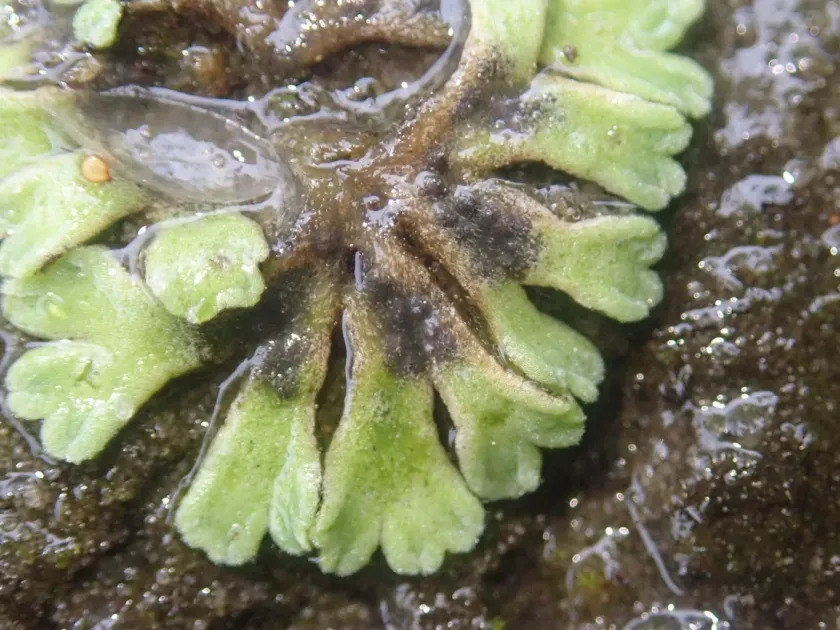
Description
Growing requirements
Riccia bifurca is a representative of the Marchantiophyta division, commonly known as liverworts. This non-vascular plant features a small, dichotomously branched thallus that functions as the primary vegetative body, lacking true roots or conducting tissues.
The species naturally inhabits temperate regions across Europe and North America. It is typically found in damp, terrestrial or semi-aquatic environments where humidity remains consistently high, allowing for continuous metabolic activity.
Optimal growth requires a moist substrate with a near-neutral pH balance. Unlike traditional crops, Riccia bifurca relies on passive absorption of nutrients through the surface of its thallus, necessitating a clean, non-toxic growing environment.
Light requirements for this species include bright but indirect illumination. High-intensity solar radiation can cause rapid dehydration, as the plant lacks a thick protective epidermis to prevent excessive water loss through evaporation.
In agricultural or hobbyist applications, Riccia bifurca is valued for its aesthetics in terrariums and paludariums. It is cultivated to form dense, vibrant green carpets that provide natural coverage for damp ground surfaces.
Main diseases and pests
Desiccation is the primary threat to the survival of Riccia bifurca. As a bryophyte with minimal ability to regulate internal water content, any period of drought leads to quick tissue collapse and eventual death of the organism.
Fungal pathogens and mold growth are significant risks in closed cultivation systems. Poor ventilation combined with high moisture levels often facilitates the colonization of the thallus by saprophytic fungi, which can destroy the colony.
Intense competition from algae and faster-growing plants is a constant challenge. In nutrient-rich environments, algae frequently overgrow the thallus, depriving the liverwort of necessary light and space for photosynthesis.
Chemical sensitivity is a hallmark of this species, as it absorbs all nutrients directly from the surrounding water or soil. High concentrations of fertilizers, salts, or chlorine are toxic and can cause immediate necrosis of the plant tissue.
Mechanical disturbance or infestation by soil-borne micro-pests can severely impact plant health. Since the thallus is fragile, any physical damage disrupts the transport of water and nutrients, making the plant susceptible to secondary bacterial decay.