
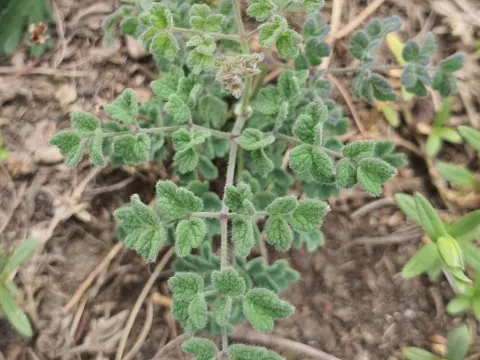
Fetid meadow-rue
Thalictrum foetidum
Propagation of Thalictrum foetidum is primarily achieved through direct sowing or division of established root clumps during the dormancy period in spring.
What the section contains
Fetid meadow-rue
Seeds require a period of cold stratification; therefore, autumn sowing in prepared beds is the most effective method to ensure high germination rates.
The substrate must be well-prepared and free from weeds to prevent competition with the slow-growing seedlings during their first season of establishment.
Optimal sowing depth is shallow, approximately 0.5 to 1 cm, as seeds are sensitive to deep burial and require minimal light exposure for germination.
Once seedlings have reached the two-leaf stage, they can be thinned or transplanted to their final location, ensuring adequate spacing between plants.
As a member of the Ranunculaceae family, the fetid meadow-rue thrives in well-drained, fertile soil that maintains consistent moisture throughout the growing cycle.
The plant is highly adaptable to various climatic zones, demonstrating significant cold tolerance typical of high-altitude flora, allowing for wide distribution.
It prefers sunny environments but shows good tolerance to partial shade, making it a versatile candidate for diverse horticultural and agricultural planting designs.
Soil pH should ideally be neutral to slightly alkaline, which supports optimal nutrient uptake and overall vigour of the perennial herb throughout the summer.
Adequate air circulation is a critical requirement for this species, as it reduces the ambient humidity around the foliage and prevents common physiological disorders.
Pathogenic threats include fungal infections such as powdery mildew, which often occur during high-humidity periods and can significantly damage the foliage.
Insect pests, including various aphids and foliage-feeding caterpillars, represent potential risks that require regular monitoring during the active growth phase.
Root rot remains a primary threat to plant health when cultivation occurs in heavy, waterlogged soils without an adequate subsurface drainage system.
Management strategies involve rigorous crop hygiene, including the prompt removal of infected plant debris to break the disease cycle each season.
- Application of systemic fungicides during prolonged wet periods.
- Regular soil aeration to maintain healthy root zone conditions.