
Fendler's meadow-rue
Thalictrum fendleri
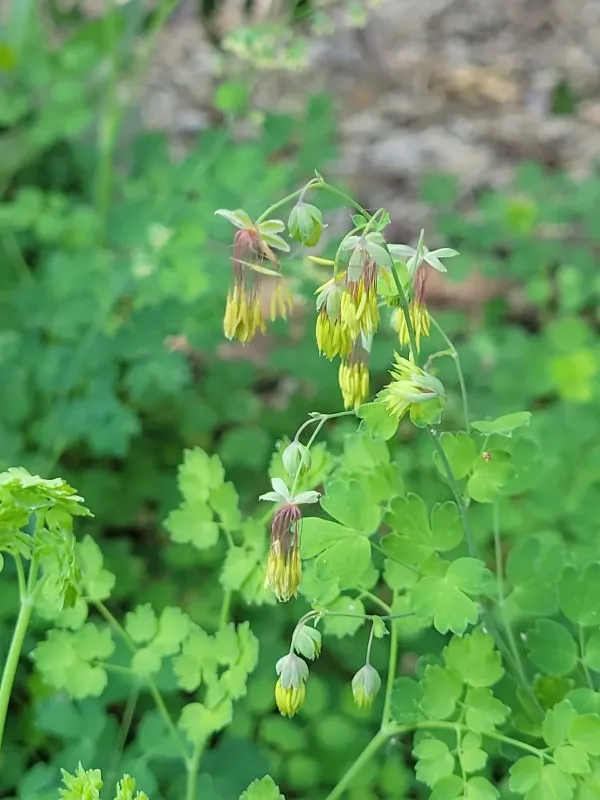
Description
Sowing dates
Sowing seeds of Fendler's meadow-rue is typically performed in the autumn season as a winter sowing, which ensures the natural stratification of the seed material. This process is essential for successful germination, as the seeds have a distinct dormancy period.
In greenhouse conditions or when using cold storage, stratification is carried out for 60–90 days at a temperature of approximately 2–4 degrees Celsius. Once prepared, the seeds are sown in a nutrient-rich substrate at a depth of no more than 0.5 cm.
The optimal time for transplanting seedlings into open ground is in the spring, once the threat of late frosts has passed and the soil has sufficiently warmed up. It is important to ensure regular moisture for the crops until uniform emergence occurs.
The crop can also be propagated vegetatively through root division, which is most effectively performed in early autumn or early spring. When dividing, it is crucial to ensure each section has at least two or three healthy renewal buds.
Planting arrangements on the site must take into account the plant's potential for spreading, so it is recommended to maintain a distance of 40–50 cm between individual specimens to ensure proper aeration.
Growing requirements
Fendler's meadow-rue is a perennial herbaceous plant belonging to the Ranunculaceae family. In its natural habitat, this species grows in the western regions of North America, favoring woodland edges and mountain slopes.
The plant has specific soil requirements: it must be sufficiently moisture-retentive while also providing good drainage. Light loams or sandy soils with a neutral to slightly acidic pH level are preferred.
The crop demonstrates high adaptability to lighting, yet it develops best in partial shade conditions. Direct sunlight during hot midday hours can cause scorching of the plant's delicate, fern-like foliage.
An important factor for successful vegetative growth is maintaining moderate soil moisture. The meadow-rue does not tolerate prolonged periods of drought well, requiring regular watering during hot times of the year; however, standing water in the root zone is strictly prohibited.
The species exhibits high winter hardiness, allowing for successful cultivation in temperate climates. In areas with harsh winters and low snow cover, light mulching of the root system with organic materials is recommended.
Main diseases and pests
The primary pests capable of causing damage to meadow-rue plantings are aphids and spider mites, which feed on the cellular sap of the leaves. The application of broad-spectrum insecticides or biological control agents is effective against them.
In conditions of high humidity and poor air circulation, plants may become susceptible to powdery mildew. The disease manifests as a white, dusty coating on the leaf surfaces, which inhibits the plant's photosynthetic processes.
Overwatering the soil can lead to fungal infections of the root system, eventually causing rot. Prevention includes controlling irrigation regimes, improving soil structure, and timely removal of weeds around the bush.
In rare cases, leaf spot diseases caused by pathogenic fungi may develop. Prompt removal of infected plant parts and treatment with copper-based fungicides help to curb the spread of the infection.
To maintain the health of the culture, it is recommended to practice crop rotation and avoid overcrowding in plantings, as dense spacing encourages the development of pathogenic microflora due to the creation of a high-humidity microclimate.