
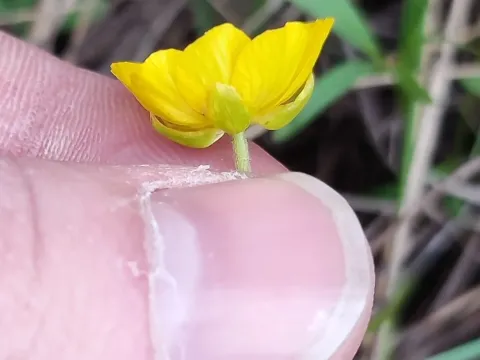
Forest-steppe buttercup
Ranunculus silvisteppaceus
Sowing of the forest-steppe buttercup should be performed in early spring as soon as soil temperatures reach 5-8 degrees Celsius to initiate successful germination.
What the section contains
Forest-steppe buttercup
Pre-sowing seed stratification is essential to break dormancy and ensure high germination rates, significantly improving the uniformity of the crop stand in the field.
Seeds should be planted at a depth of 1-2 centimeters, ensuring they maintain good contact with soil moisture to prevent drying out during the crucial germination phase.
Row planting with spacing of about 15-20 centimeters is recommended to allow for adequate sunlight exposure and to simplify the process of mechanized weeding.
A seeding rate of approximately 8-10 kg per hectare is standard, though this should be adjusted based on seed viability tests conducted prior to the planting season.
The forest-steppe buttercup, a member of the Ranunculaceae family, is naturally adapted to the temperate climate conditions characteristic of the forest-steppe zone.
This crop thrives best in fertile, well-drained chernozem soils that are rich in organic matter and have a neutral pH level between 6.0 and 7.0 for optimal growth.
It is a photophilous plant that requires full sunlight to achieve maximum vegetative growth, meaning it should not be grown in shaded areas or near large trees.
While the plant demonstrates resilience to short dry spells, supplemental irrigation during the peak growing season ensures consistent yields and healthy leaf tissue.
Proper soil aeration is critical, as waterlogged conditions can lead to root system decay and hinder the plant's overall development during the wet spring months.
Powdery mildew represents a primary fungal threat, particularly in seasons with high humidity levels and lack of proper air movement within the crop canopy.
Root rot pathogens are a major risk when the soil remains too wet for extended periods, making proper field drainage a prerequisite for healthy plant cultivation.
Leaf-eating insects and aphids can cause substantial damage to the foliage, necessitating regular scouting and targeted management strategies to protect the crop.
Slugs are particularly problematic for young seedlings, often consuming significant portions of the crop during the early stages of plant development in rainy weather.
Effective management includes integrated pest control measures and crop rotation practices to minimize the buildup of soil-borne pathogens and insect populations.
The harvest should ideally take place during the peak flowering stage, which ensures the highest concentration of compounds and biomass quality for the intended use.
If harvesting for seed production, growers must closely monitor the seed heads and harvest before they shatter and disperse the seeds onto the field surface.
Mechanical harvesting using combines requires careful calibration of the header height and cleaning fans to prevent excessive losses of the fine seed material.
Immediately after harvest, the biomass or seeds should be dried in well-ventilated areas to prevent heat buildup and preserve the integrity of the harvested material.
Final cleaning of the seeds using specialized equipment is necessary to remove chaff and field debris before storing the material in cool, dry conditions.