
False mountain buttercup
Ranunculus pseudomontanus
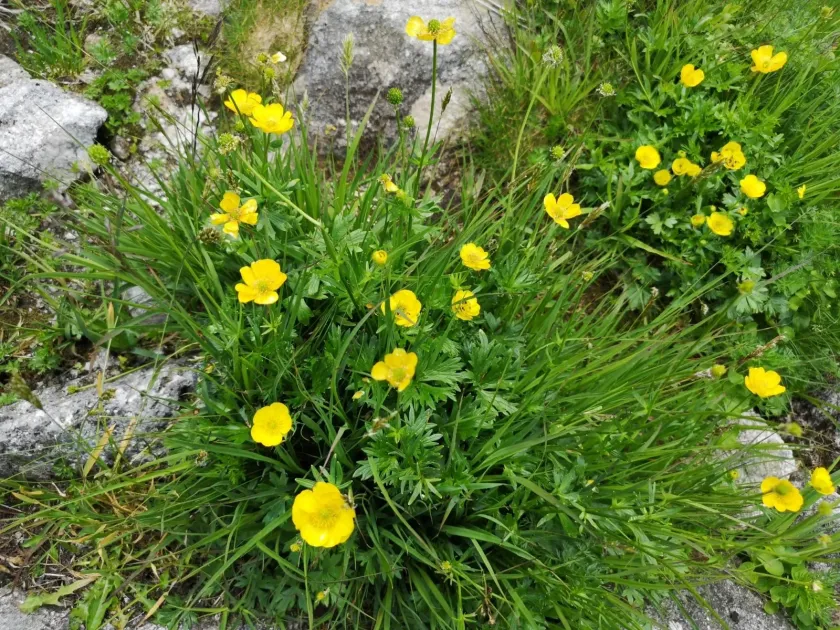
Description
Growing requirements
Ranunculus pseudomontanus, commonly known as the false mountain buttercup, belongs to the Ranunculaceae family. It is a perennial herbaceous plant native to high-altitude mountain regions, where it has evolved to thrive in specialized environmental niches with high solar radiation.
The plant requires well-drained, porous soils to flourish. Waterlogging is a primary stress factor for this species, as its root system is prone to hypoxia and rot if the soil structure does not allow for efficient water drainage and aeration.
Regarding climate, this species favors cool alpine environments with significant temperature fluctuations between day and night. When grown in gardens, it is best placed in areas that offer exposure to morning sun and some protection from the intense afternoon heat.
Cultural practices involve maintaining soil fertility through light applications of fertilizer during the early spring growth phase. Over-fertilization should be avoided to prevent excessive leafy growth, which may increase susceptibility to fungal infections.
To ensure long-term plant health, proper spacing is essential to facilitate air circulation. Weeding should be done manually or using light tools to avoid damaging the delicate shallow roots of the plant during the growing season.
Main diseases and pests
The most significant threats to Ranunculus pseudomontanus are fungal diseases triggered by high humidity levels. Powdery mildew is common in late summer, coating the foliage in a white, felt-like substance that reduces the plant's photosynthetic capacity.
Root rots caused by soil-borne pathogens represent a critical danger in poorly drained conditions. These pathogens destroy the root hairs, leading to the sudden wilting and eventual collapse of the aerial parts of the plant, often requiring site relocation.
Pests such as aphids pose a recurring challenge, as they target the succulent buds and tender new foliage. Infestations should be managed immediately with appropriate insecticidal treatments to prevent the spread of viral diseases that aphids often carry.
Spider mites can become problematic in dry conditions, causing the foliage to turn yellow and mottled. Increasing air humidity through irrigation or misting systems is a primary preventative measure to minimize the risk of mite colonization.
Gastropods, including slugs and snails, cause substantial damage by consuming young leaves during damp weather. Using protective collars or environmentally friendly molluscicides is standard practice to preserve the plant's aesthetic integrity throughout the season.