
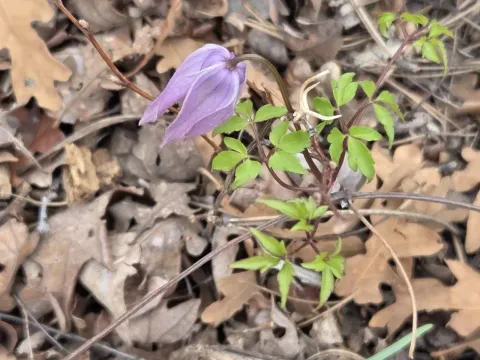
False alpine clematis
Clematis pseudoalpina
False alpine clematis (Clematis pseudoalpina) is a perennial climbing vine belonging to the Ranunculaceae family. It is native to rocky areas in North America, thriving in temperate zones where it can display its unique, delicate flowers.
What the section contains
False alpine clematis
Seed propagation is the primary method for this species. Seeds require a period of cold stratification to germinate successfully. It is recommended to sow them in late autumn, allowing nature to trigger the germination process during the winter months.
For gardeners looking for faster results, vegetative propagation via semi-ripe cuttings is preferred. Cuttings should be taken in early summer and placed in a high-humidity environment with a well-draining rooting medium.
Layering is another reliable technique where a flexible stem is buried in the soil until it develops roots. Once established, the new plant can be separated from the parent vine and transplanted to its permanent location.
Regardless of the method, the initial growth stage is slow. Young plants need consistent monitoring to ensure that the soil remains moist but not waterlogged while they are establishing their root systems.
This clematis species flourishes in positions with full sun to partial shade. In warmer regions, it is vital to shade the root zone, as the plant prefers cool roots to maintain healthy foliage and continuous blooming.
The soil should be fertile, well-draining, and rich in organic matter. A neutral to slightly alkaline pH is ideal. If the native soil is heavy or clay-like, incorporating compost and coarse sand will significantly improve the drainage conditions.
As a climbing vine, it requires support to reach its full potential. Trellises, pergolas, or wire fences are excellent structures that allow the plant to climb naturally using its twining leaf petioles.
Watering should be deep and thorough during the growing season. It is best to avoid wetting the leaves to minimize the risk of fungal infections, as the plant prefers a dry atmosphere with moist soil at the base.
Mulching is essential for this species. Applying a thick layer of organic mulch around the base preserves soil moisture, suppresses weeds, and keeps the root system cool during the heat of the summer.
Clematis wilt is the most serious disease affecting this plant. It causes sudden wilting of the stems. If detected, remove the affected stems immediately and dispose of them, and apply a systemic fungicide to the surrounding area.
Aphids and spider mites are common pests that feed on the tender young shoots. Regular monitoring and the application of insecticidal soaps or neem oil are usually sufficient to manage minor infestations effectively.
Powdery mildew may occur during periods of high humidity and poor air circulation. Improving airflow through correct pruning techniques and avoiding overhead watering helps prevent the disease from taking hold.
Slugs and snails can cause significant damage to young leaves during early spring. Utilizing crushed eggshells or physical barriers around the base of the plant provides an effective, environmentally friendly deterrent.
Root rot is often a consequence of poor drainage and overwatering. Ensuring the planting site has adequate water drainage is the single most important factor in preventing this terminal condition.