
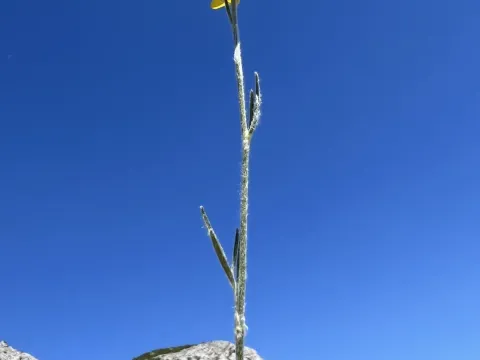
Illyrian buttercup
Ranunculus illyricus
The Illyrian buttercup (Ranunculus illyricus) is a perennial member of the Ranunculaceae family. It is distinct for its tuberous, thickened roots that serve as storage organs, allowing the plant to thrive in regions characterized by distinct dry seasons.
What the section contains
Illyrian buttercup
The native range of this species extends across Southern and Central Europe. It is particularly well-adapted to open, grassy habitats where it receives full exposure to sunlight during its active growth phase in the spring.
For successful cultivation, the plant requires well-drained, sandy or loamy soils. Ensuring proper aeration of the root zone is crucial, as the tuberous roots are highly susceptible to rot if they remain in waterlogged conditions for extended periods.
Soil pH should ideally be neutral or slightly alkaline. Unlike many other buttercups, this species does not require moist meadow conditions; it prefers a drier environment once the flowering period concludes and the plant enters dormancy.
Proper site preparation is essential, including the removal of competing perennial weeds. In terms of maintenance, minimal fertilizer application is recommended, as high nitrogen levels can promote excessive vegetative growth at the expense of bloom production.
The most significant threat to the Illyrian buttercup is root rot, primarily caused by fungal pathogens such as Fusarium. This usually occurs when drainage is inadequate and the soil remains wet during the dormant stage.
Pests such as wireworms represent a constant challenge for root-tuberous plants. Integrated pest management, including crop rotation and soil solarization where applicable, helps in maintaining healthy populations.
In humid climates, powdery mildew can affect the foliage if there is insufficient air circulation. Thinning out plants and ensuring adequate spacing between individual specimens are effective preventative measures against fungal outbreaks.
Aphids can also cluster on the developing flower buds, draining the plant's energy. Early monitoring and the use of insecticidal soaps are usually sufficient to control small infestations before they cause significant damage.
Finally, slugs and snails can be problematic during the early spring growth period. Using physical barriers or bait traps is standard procedure to protect the emerging young leaves from excessive feeding damage.