
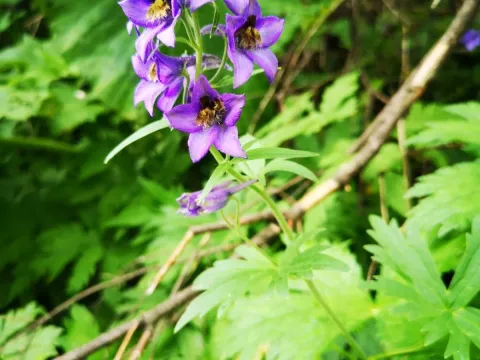
Delphinium oxysepalum
Delphinium oxysepalum
Delphinium oxysepalum is a rare perennial herbaceous plant belonging to the Ranunculaceae family. It is a high-altitude species, natively occurring in the Carpathian mountain range, where it thrives in alpine meadow conditions.
What the section contains
Delphinium oxysepalum
Botanically, the plant is distinguished by its upright stems reaching up to 80 centimeters and deeply divided leaves. Its flowers are characterized by unique, sharp-tipped sepals, arranged in loose, vibrant blue or violet racemes.
For cultivation, this species requires a cool, moist climate and well-drained, nutrient-rich soil. It is highly sensitive to waterlogged environments, making the selection of a site with proper drainage a critical agronomic necessity for survival.
The optimal soil reaction should be slightly acidic to neutral. Regular moisture levels must be maintained throughout the growing season, as extreme dryness or fluctuating water availability can negatively impact the plant's health and development.
In terms of usage, Delphinium oxysepalum is primarily valued as an ornamental specimen for rock gardens and cold-climate landscapes. It is recognized for its cold hardiness but requires protection from intense mid-day heat in lower altitudes.
Fungal diseases, especially powdery mildew, represent a major threat to this crop. These pathogens typically emerge when air circulation is poor and humidity levels remain excessively high within the foliage.
Root rot is a frequent condition caused by improper irrigation practices or poor soil aeration. It leads to quick decline of the plant, often requiring the complete removal of infected specimens to prevent further spread.
Pests such as slugs and snails are a primary nuisance, feeding on tender foliage and potentially destroying young plants. They are particularly active during damp weather patterns and require consistent control efforts.
The delphinium fly (a specialized pest) can damage buds and inflorescences, which hinders the reproductive success of the plant. Monitoring and timely application of targeted insecticides are recommended if infestations occur.
Cultural management, including regular weeding and removal of debris, serves as an essential preventative measure against both diseases and pests, ensuring the longevity and ornamental value of the planting.