
Delphinium oliganthum
Delphinium oliganthum
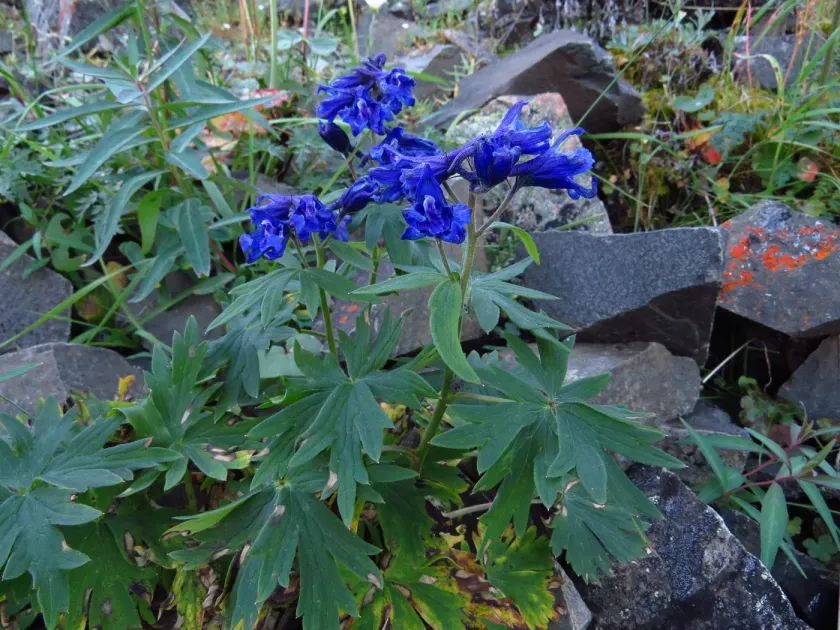
Description
Sowing dates
Delphinium oliganthum, a member of the Ranunculaceae family, is typically propagated by seeds sown during the early spring or late autumn for natural stratification.
The seeds should be covered with a very thin layer of substrate, as light is beneficial for the germination process of this specific species.
Optimal germination rates are achieved at temperatures between 15 and 20 degrees Celsius, requiring a consistently moist but not waterlogged environment.
When sowing in trays, it is recommended to use a sterile, well-draining potting mix to avoid fungal infections during the sensitive seedling stage.
Thinning out seedlings is a mandatory agronomic practice to provide enough space for root development and airflow, preventing overcrowding in the beds.
Growing requirements
This culture thrives in fertile, well-draining soils with a slightly alkaline to neutral pH, which supports the intensive vegetative growth of the plant.
Full sun exposure is ideal, although the plant can tolerate light partial shade, provided it still receives sufficient indirect light throughout the day.
Regular irrigation is necessary during dry spells, especially during the peak growing season, to ensure the plant maintains its structural integrity and health.
Incorporating organic matter such as compost into the soil before planting provides essential nutrients and improves the moisture-retention capacity of the ground.
Staking is often required for taller specimens to protect the stems from wind damage, ensuring the plant remains upright and aesthetically pleasing.
Main diseases and pests
Powdery mildew is a significant threat to Delphinium species, appearing as a white powdery coating on leaves and potentially reducing plant vigor if untreated.
Root rot, driven by poor drainage or excessive soil moisture, is a common cause of mortality in these plants and must be managed via proper irrigation techniques.
Slugs and snails can cause severe damage to the foliage, necessitating protective measures such as physical barriers or environmentally safe deterrents.
Fungal leaf spot diseases may develop in humid conditions, highlighting the importance of proper plant spacing and airflow within the growing area.
Monitoring for aphid infestations is crucial, as they can weaken the plant and serve as vectors for various viral diseases that affect the Ranunculaceae family.