
Delphinium cyphoplectrum
Delphinium cyphoplectrum
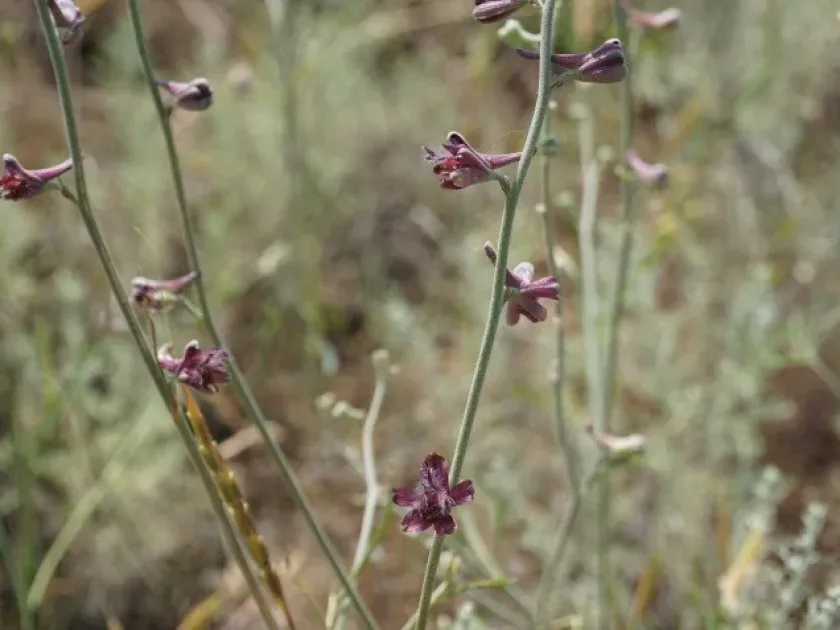
Description
Sowing dates
Delphinium cyphoplectrum is typically propagated via seeds, which benefit significantly from a period of cold stratification. For best results, sow seeds in late autumn to allow the winter cold to break their dormancy naturally.
If indoor sowing is preferred, seeds should be kept in a refrigerator for at least one month before planting in a sterile, light-textured seed-starting mix. Cover the seeds very lightly, as they require some ambient light to germinate effectively.
Keep the soil consistently moist but never waterlogged during the germination process, which can take several weeks. Once the seedlings develop two true leaves, they should be transplanted into individual pots to avoid root competition.
Hardening off the young plants is crucial before moving them to the permanent garden site. This process involves gradually introducing them to outdoor conditions over a week to prevent transplant shock.
Planting depth should match the level of the root ball to prevent the collar of the plant from rotting. Provide adequate spacing of at least 45 cm to ensure good airflow between plants.
Growing requirements
This member of the Ranunculaceae family thrives in well-drained, fertile soil with a neutral to slightly acidic pH. It performs best in locations that receive full sun for the majority of the day.
Delphinium cyphoplectrum requires a consistent moisture supply, particularly during the late spring and summer months when the flower spikes are developing rapidly. Use mulch to help regulate soil moisture and temperature.
Fertilization is essential for optimal performance; a balanced fertilizer applied early in the spring helps stimulate vigorous growth. Avoid excessive nitrogen after the buds have formed, as it encourages foliage growth at the expense of floral displays.
The plant performs best in regions with mild summers and cool nights. In areas with extreme heat, afternoon shade can help extend the life of the flower spikes and reduce heat stress on the plant.
Staking may be necessary for taller specimens to prevent the heavy flower stalks from breaking during strong winds or heavy rainfall. Always install stakes early in the season to avoid damaging the root system later on.
Main diseases and pests
Fungal diseases are the primary concern for this species, particularly powdery mildew, which can cover leaves with a white, dusty film. Adequate spacing and watering at the base of the plant help mitigate this risk.
Root rot is a major threat caused by stagnant water in the soil. Improving drainage by incorporating organic matter or grit into the planting area is the most effective preventative measure against this condition.
Pests such as aphids and slugs can damage the foliage and developing buds. Slug traps or organic slug pellets are highly recommended in damp spring weather when juvenile plants are most vulnerable.
The Delphinium fly is another specific pest that can target the flower buds. Regular inspection of the spikes during the budding stage allows for the early removal of any affected plant parts.
Implementing a rigorous sanitation program, such as removing fallen leaves and spent blossoms promptly, will help keep the garden area clean and reduce the likelihood of recurring infections.