
Eranthis stellata
Eranthis stellata
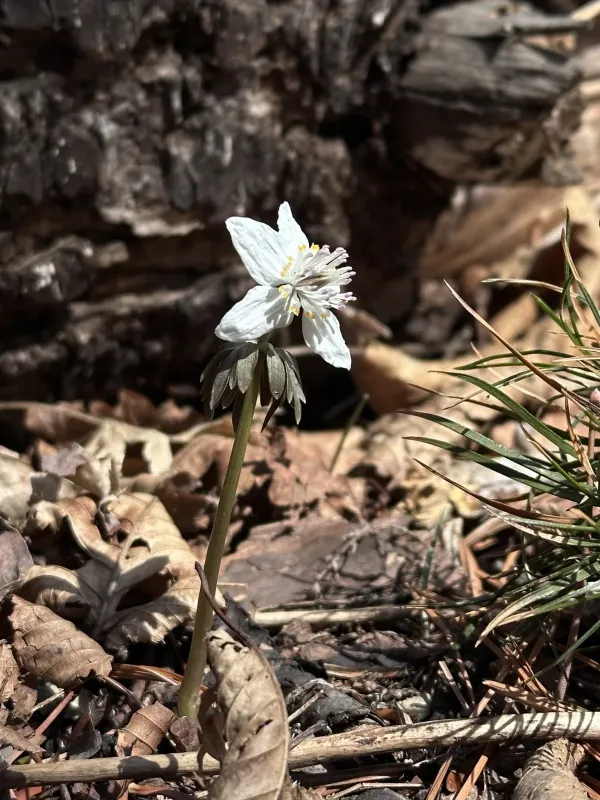
Description
Sowing dates
As an ephemeral plant, Eranthis stellata is best planted during its dormant phase in late summer or early autumn to ensure establishment before winter.
The ideal planting window for tubers is from August to September, allowing sufficient time for the root system to adapt to the new environment.
For propagation from seeds, gardeners must apply a stratification process, as the seeds require a period of cold exposure to break dormancy and germinate.
Vegetative propagation is achieved by dividing the clumps of daughter tubers once the foliage has completely yellowed and died back in the summer.
Tubers should be placed at a depth of 5 to 7 centimeters, which provides protection from extreme weather fluctuations and prevents premature drying of the roots.
Growing requirements
Belonging to the Ranunculaceae family, this species thrives in dappled shade or partial sun, mimicking its natural habitat of open deciduous woodlands.
The plant requires well-drained, nutrient-rich soil high in organic matter to support its rapid growth cycle during the early spring season.
Eranthis stellata is highly winter-hardy and well-adapted to surviving frosty temperatures, making it a reliable performer in cool temperate climates.
Consistent soil moisture is essential during the early stages of vegetation, although good drainage is strictly required to prevent root suffocation.
The soil pH should ideally be neutral to slightly acidic, and the incorporation of leaf mold or compost is highly recommended for optimal plant vigor.
Main diseases and pests
Fungal pathogens often pose a significant risk, particularly in waterlogged soil where lack of aeration promotes rot and systemic infection of the tubers.
Garden pests like slugs and snails are known to target emerging tender shoots, often stripping foliage and hindering the plant's ability to store energy.
Rodents such as voles may occasionally forage on the underground tubers during the winter months, potentially causing significant damage to planting areas.
To mitigate these threats, maintain clear beds and avoid overcrowding, which helps improve airflow and reduces the micro-climatic humidity favored by pests.
If decay is observed, prompt removal of affected tubers and targeted application of fungicides is necessary to protect the remaining stock from spreading disease.