
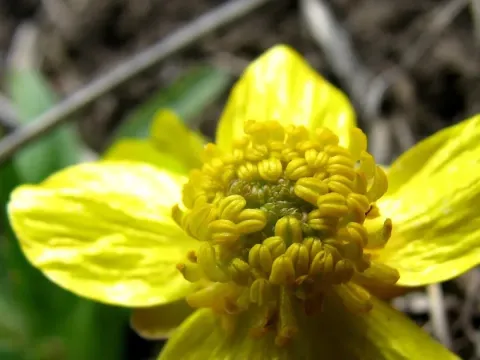
Eschscholtz's buttercup
Ranunculus eschscholzii
Eschscholtz's buttercup (Ranunculus eschscholzii) is a perennial herbaceous plant belonging to the Ranunculaceae family. It is native to the alpine and subalpine regions of North America, where it thrives in cold, moist environments near mountain summits and glaciers.
What the section contains
Eschscholtz's buttercup
The culture is strictly adapted to high-altitude climates. It requires cool temperatures throughout its growth phase and does not tolerate the intense summer heat typical of lower elevation gardening. Providing a habitat that mimics the cooling effects of high altitudes is essential for success.
For soil conditions, this plant necessitates well-draining, gravelly or rocky substrate. While it needs consistent moisture during the spring thaw, it will suffer root rot if the soil becomes waterlogged, making high-quality drainage systems a primary requirement for agricultural or garden cultivation.
Botanically, the species is defined by its compact habit, usually growing from 10 to 20 cm tall. It features basal, deeply lobed leaves and iconic, bright yellow, cup-shaped flowers. The sheen on the petals is a distinctive trait that reflects the intensity of high-mountain sunlight.
In terms of usage, the Eschscholtz's buttercup is highly valued by rock garden enthusiasts and botanical conservationists. Its ornamental potential is best realized in specialized alpine displays or troughs where the specific microclimatic needs of the plant can be meticulously managed.
The primary threats to the health of Ranunculus eschscholzii are pathogenic fungi, particularly those causing root rots and crown rot. These issues are almost invariably linked to poor soil drainage or improper watering regimes during periods of high humidity.
Insects like slugs and snails pose a physical threat to the foliage, especially in moist alpine-like conditions. Additionally, soil-borne nematodes can cause stunted growth or sudden wilting, often leading to the eventual loss of the plant if not addressed early.
Maintenance of aeration is vital to prevent fungal spread. Ensuring that the foliage does not stay wet for extended periods and promoting good airflow around the base of the plant can significantly decrease the risk of disease outbreaks.
When chemical interventions are required, caution must be exercised due to the plant's sensitivity to synthetic compounds. Using mild fungicides or biological pest control methods is generally safer for preserving the delicate balance of the plant's root system.
Preventative cultural practices, such as clearing debris from the root zone and monitoring the soil pH, are critical. Maintaining a neutral to slightly acidic environment helps the plant remain resilient against environmental stressors and potential infections.