
Aconitum nasutum
Aconitum nasutum
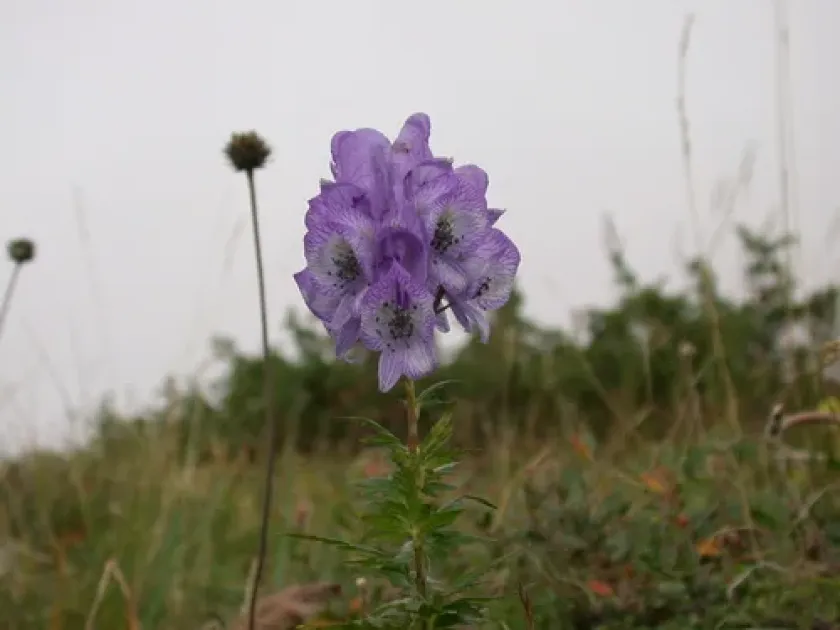
Description
Sowing dates
Aconitum nasutum is typically propagated via seeds or rhizome division. For seeds, winter sowing is highly recommended because they require a cold stratification period to break dormancy.
When sowing in spring, ensure the seeds are kept in a refrigerated environment for at least two to three months before planting in the substrate to encourage uniform germination.
Rhizome division should be performed in early spring or autumn. This method is preferred to maintain the characteristics of the cultivar and speed up the plant development cycle.
The planting depth for seeds should be shallow, generally between 1 and 2 centimeters, ensuring the soil remains moist but not waterlogged during the germination stage.
It is strictly necessary to use protective gear during the handling of roots and seeds, as the plant is highly toxic and can cause skin irritation or poisoning if ingested.
Growing requirements
Belonging to the Ranunculaceae family, Aconitum nasutum thrives in partially shaded environments with rich, humus-dense soil that provides sufficient nutrient reserves.
The plant requires well-drained soil; while it appreciates consistent moisture, it will not tolerate stagnant water, which often leads to root decay in heavy, compacted soils.
Optimal growth occurs in neutral to slightly acidic soil conditions. Incorporating compost or well-rotted organic matter annually helps sustain plant vigor throughout the season.
This species is highly cold-hardy, capable of surviving harsh winters in temperate regions. However, a layer of mulch is beneficial to stabilize soil temperatures during freeze-thaw cycles.
Regular irrigation is vital during the peak growing months of summer. Proper spacing of plants, typically 30-50 cm apart, is necessary for air movement and disease prevention.
Main diseases and pests
Powdery mildew is a common fungal threat for Aconitum nasutum, particularly in areas with poor ventilation or high humidity levels during the mid-summer months.
Bacterial leaf spot can severely reduce the aesthetic and medicinal quality of the plant if left unchecked, often appearing after prolonged periods of rainfall.
Common pests include aphids and mites, which can sap the plant's vitality. Regular scouting and immediate intervention with appropriate pesticides are essential for management.
Nematodes are another significant threat that attacks the root system, potentially causing sudden yellowing and decline of the entire plant structure.
Maintaining a clean cultivation area, including the removal of infected debris and regular monitoring of plant health, is crucial for preventing widespread infestations.